This post contains affiliate links. As an Amazon Associate I earn from qualifying purchases.
This cold noodle salad is one of my go-to recipes when I need something refreshing, filling, and absolutely delicious. I love pairing it with Instant Pot Teriyaki Chicken and Rice for a complete meal, or alongside Korean Asparagus for extra vegetables. Whether you’re meal prepping for the week or feeding a crowd at your next gathering, this recipe delivers every single time.
How This Became My Favorite Summer Recipe
Back in 2019, when I started recording my family’s cherished recipes, I discovered this gem tucked away in my mother’s handwritten collection. She’d scribbled it on an index card, barely legible, with a note that said “quick dinner—kids approved.” I tested it in my own kitchen that summer, and honestly, I’ve made it at least once every two weeks since.
What grabbed me wasn’t just the flavor—it was the freedom. No stove hovering, no complicated plating, no stress. You boil noodles, whisk a sauce, toss everything together, and you’re done. My two kids actually ask for it by name now, which tells you everything you need to know about a recipe’s staying power in our house.
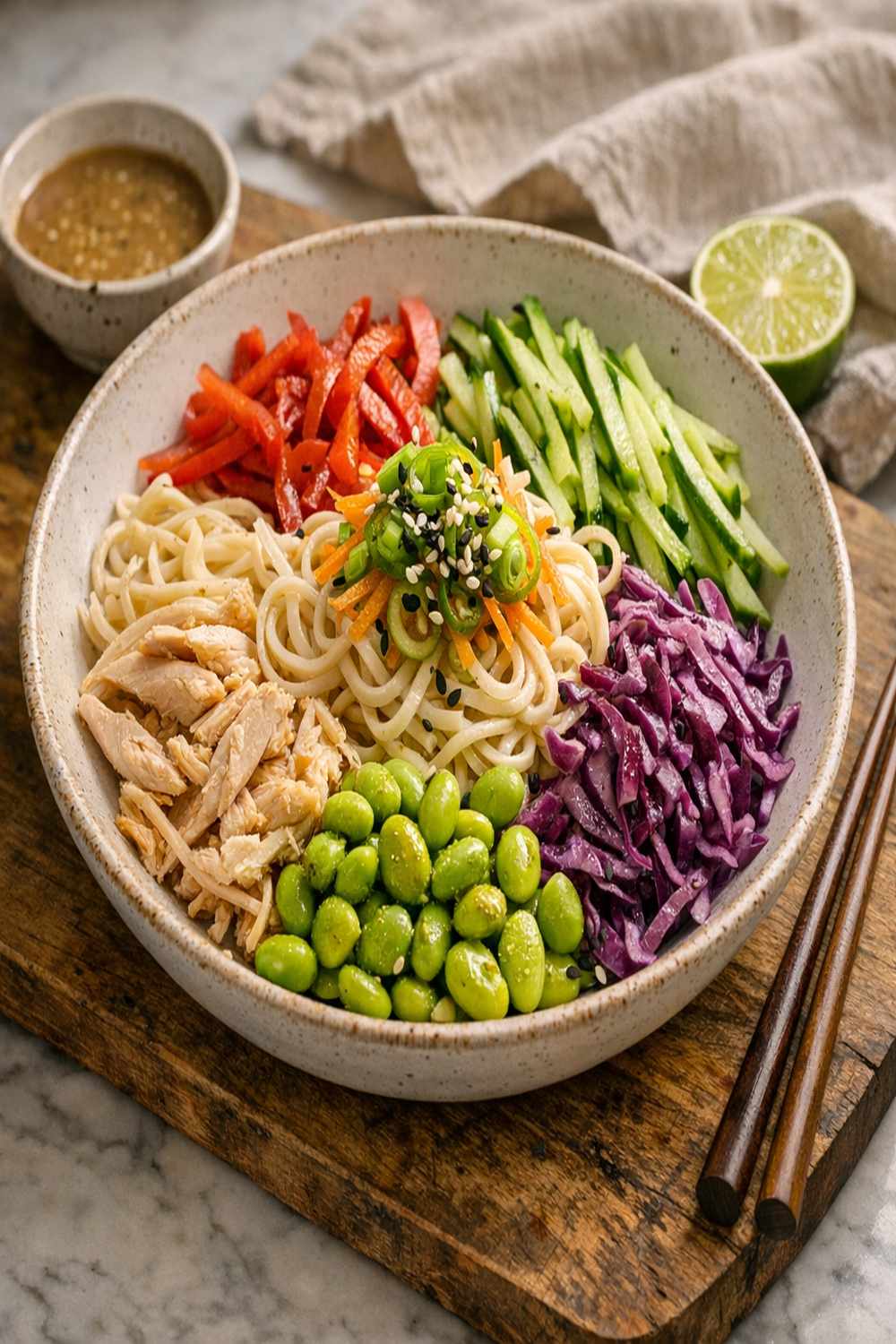
What is Cold Noodle Salad?
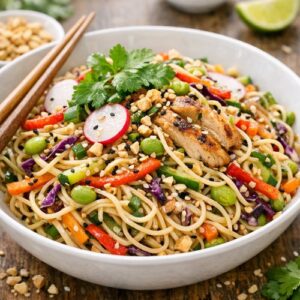
Cold noodle salad is a light, flavorful dish with roots in Asian cuisine, particularly loved in Korean and Southeast Asian kitchens. The foundation is soft, cooled noodles tossed with a silky peanut-based dressing that’s tangy, savory, and just slightly sweet. What makes it special is the contrast: chewy noodles against crispy raw vegetables, creamy dressing against fresh herbs and seeds.
This isn’t a heavy, mayo-laden salad. The dressing relies on sesame oil, soy sauce, and peanut butter—ingredients that bring real depth without weighing you down. It’s the kind of dish that tastes like restaurant-quality food, yet comes together faster than takeout.
Why You’ll Love This Cold Noodle Salad Recipe
- Speed – Dinner is ready in 20 minutes, start to finish. No complicated techniques or equipment needed.
- Customizable – Use whatever noodles you have on hand. Ramen, rice noodles, spaghetti, udon—they all work beautifully.
- Packed with vegetables – You’re getting bell peppers, cabbage, carrots, and green onions in every bite. Nutrition-dense without tasting “healthy.”
- Meal prep magic – This salad tastes better after sitting a few hours and stores perfectly for three to four days.
- Budget-friendly – Built on affordable pantry staples that most home cooks already have on hand.
- Naturally satisfying – The combination of protein from peanuts, healthy fats from sesame oil, and fiber from vegetables keeps you full longer.
The Ingredients
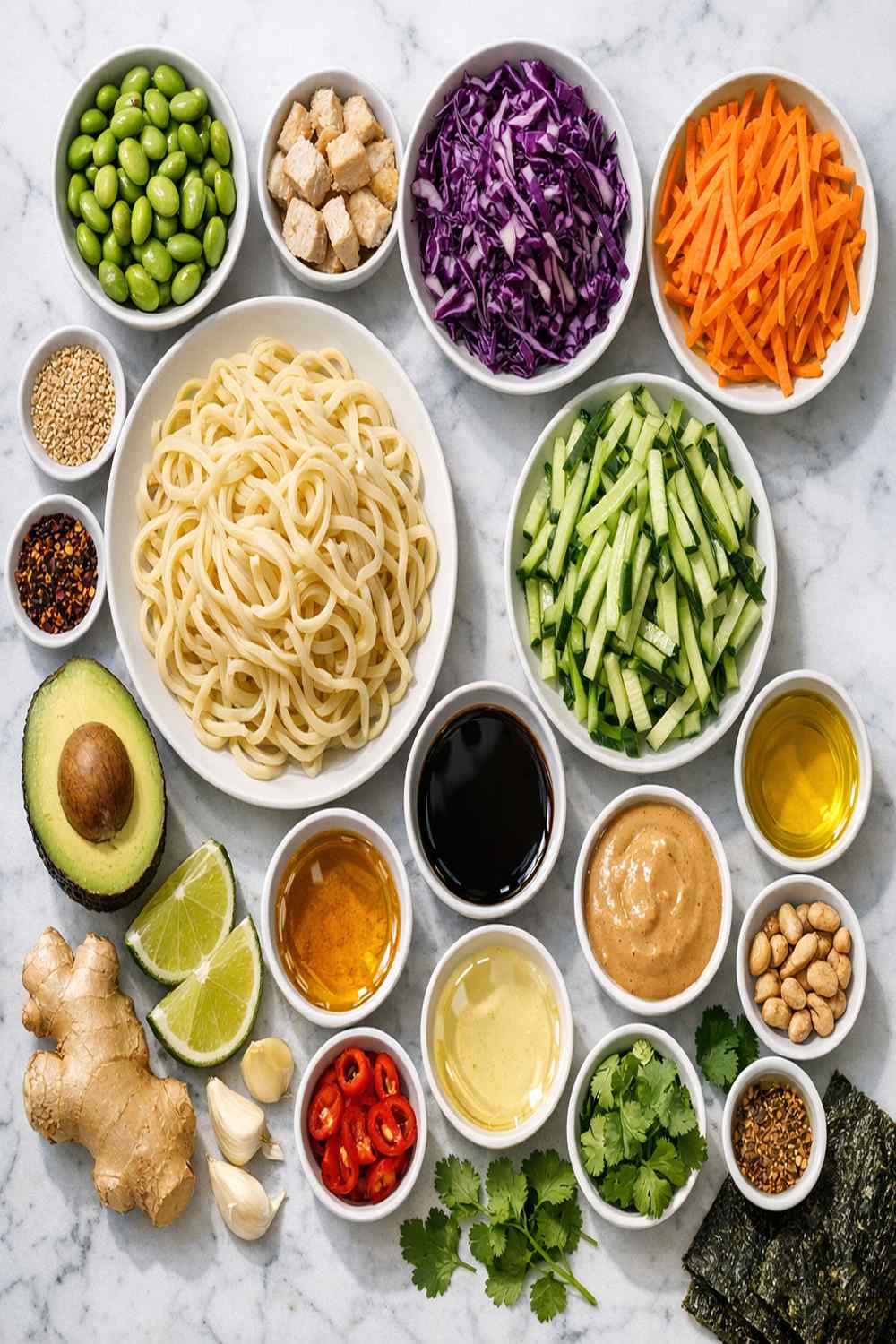
I’ve tested this recipe dozens of times, and I keep coming back to the same core ingredients. Each one plays an important role in building the flavor profile. You’ll notice I’m using common pantry items—nothing fancy or hard to find. That’s intentional. Good food shouldn’t require a specialty grocery trip.
For the Dressing
- 2 tablespoons toasted sesame oil (not the cooking kind—this is the aromatic version)
- 2 tablespoons rice vinegar (mild acidity that won’t overpower)
- ⅓ cup soy sauce (adds that umami depth—use regular strength, not low-sodium)
- 1 teaspoon fresh garlic, minced (or one clove, finely chopped)
- 1 teaspoon fresh ginger, minced (not from a jar—fresh makes all the difference)
- 3 tablespoons creamy peanut butter (natural or traditional both work equally well)
- juice of 1 fresh lime (adds brightness and cuts through richness)
- 1 tablespoon white sugar (balances the salty and tangy notes)
For the Salad
- 1 cup red cabbage, shredded (adds crunch and beautiful color)
- 1 tablespoon toasted sesame seeds (white or black, or a mix of both)
- 4 green onions, sliced diagonally (this cut looks restaurant-worthy and tastes better)
- ¾ cup roasted peanuts (unsalted or lightly salted, based on your preference)
- 4 packages ramen noodles, approximately 8 to 9 ounces total (or any noodle you prefer—thin egg noodles, rice noodles, or regular spaghetti)
- 1 large carrot, julienned into thin matchsticks (use a box grater or mandoline if you have one)
- 1 teaspoon toasted sesame oil, extra (for tossing cooked noodles to prevent sticking)
- 1 large red or yellow bell pepper, thinly sliced (or a combination of both colors)
Yield: Serves 4 as a main course or 6 as a side dish
How to Make Cold Noodle Salad
I’m going to walk you through this step by step. The good news is there’s almost no technique involved here—just straightforward, logical steps that anyone can follow. I’ve tested this recipe on standard home equipment, and it works perfectly every single time.
Step 1: Cook Your Noodles Until Tender
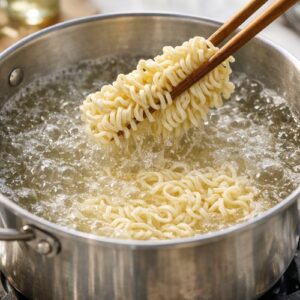
Bring a large pot of water to a rolling boil and add your noodles. If you’re using ramen, break them up slightly so they cook evenly. Cook them according to the package directions—usually 3 to 4 minutes for ramen or thin noodles. You want them completely tender but not mushy. Bite into one to check for doneness; there shouldn’t be any hard center.
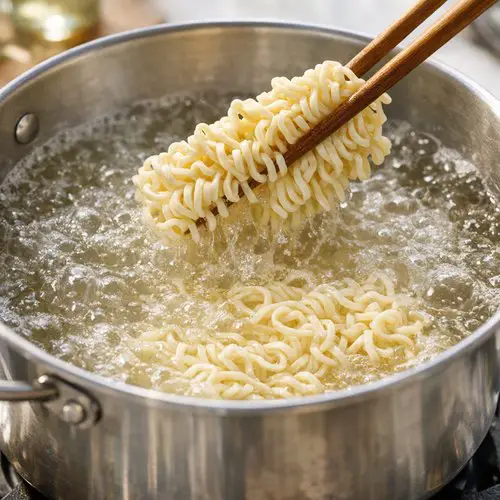
Drain the noodles in a colander and rinse them thoroughly with cold water until they’re completely cool. This stops the cooking process and prevents them from clumping together. Take your time with this step—cold noodles are essential for the final texture of your salad.
Step 2: Create the Silky Peanut Dressing
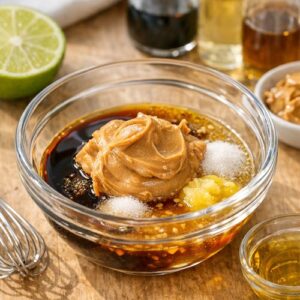
While your noodles cool, grab a small mixing bowl and add the soy sauce, creamy peanut butter, toasted sesame oil, rice vinegar, sugar, lime juice, ginger, and garlic. Whisk everything together until the dressing is completely smooth and well combined. You should see no lumps of peanut butter remaining.
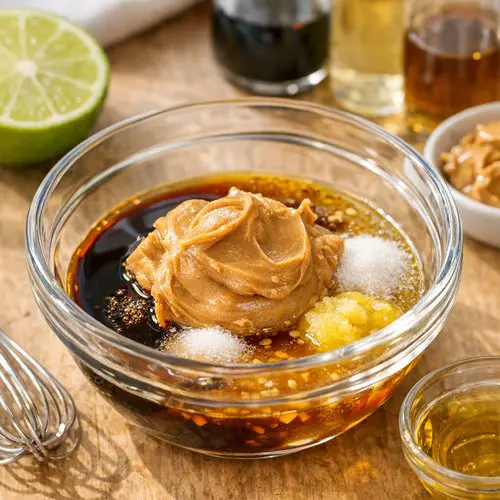
Here’s a pro tip from my kitchen testing: the dressing’s consistency matters. If it’s too thick, thin it out with a splash of soy sauce (about 1 teaspoon at a time). If it’s too thin and runny, stir in a tiny bit more peanut butter. Taste as you go, and adjust the flavors to your preference. Want more tang? Add extra rice vinegar. More heat? Add fresh red pepper flakes.
Step 3: Prevent Noodle Sticking
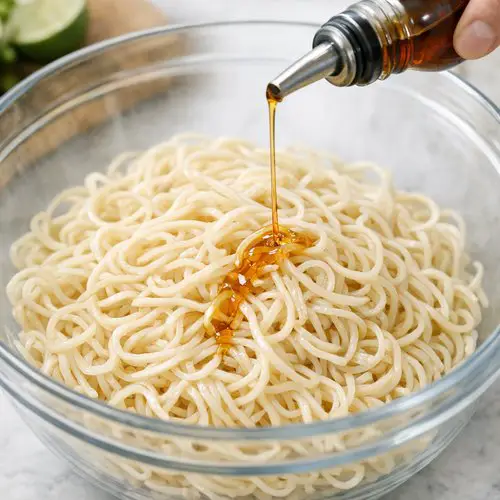
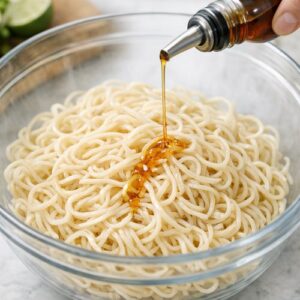
This step takes 30 seconds and makes a huge difference. Transfer your cooled, drained noodles to a large mixing bowl. Drizzle with 1 teaspoon of toasted sesame oil and toss gently until every noodle is lightly coated. This prevents them from clumping together while you prep the vegetables—a trick I learned early in my kitchen testing journey.
Step 4: Prep Your Fresh Vegetables
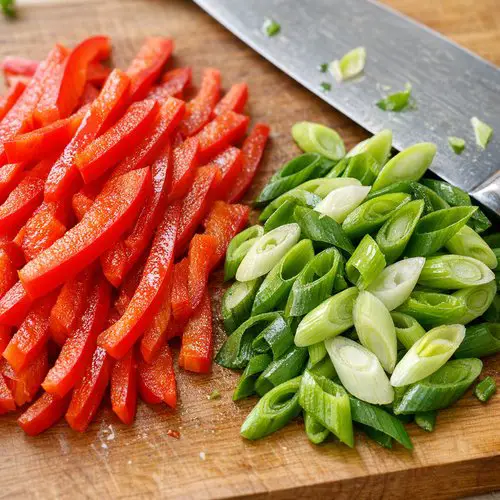
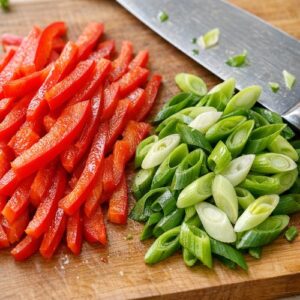
Slice your bell pepper into thin, even strips. Chop your green onions on a diagonal angle (this isn’t just for looks—it actually makes them taste slightly fresher). Use a box grater or mandoline to julienne your carrot into thin matchsticks. Shred your red cabbage as thinly as possible. Having everything prepped before you assemble makes the next step seamless.
Step 5: Bring It All Together
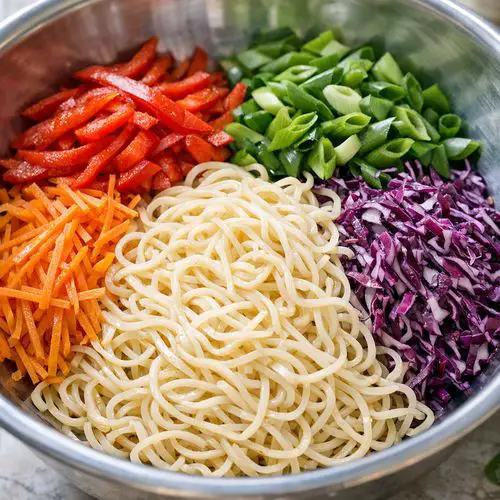
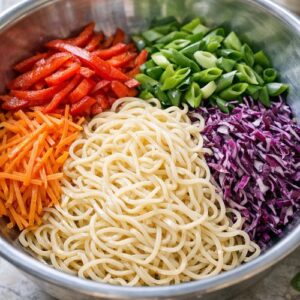
Add the sliced bell pepper, diagonally-cut green onions, julienned carrot, shredded red cabbage, and all the cooled noodles to your large mixing bowl. Pour the peanut dressing over everything. Using two spoons or salad tongs, toss the entire salad together until every noodle and vegetable is evenly coated with the creamy dressing. This takes about 2 to 3 minutes of gentle tossing.
Step 6: Chill and Set Flavors
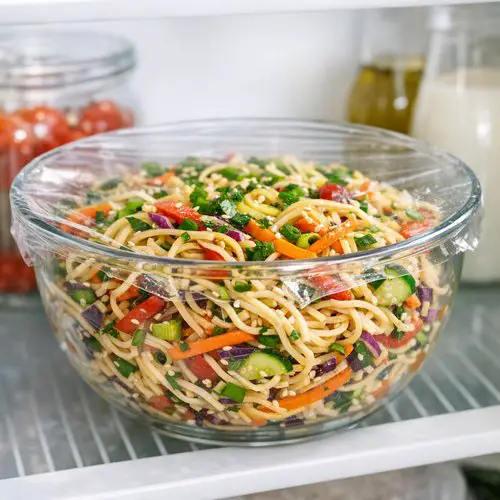
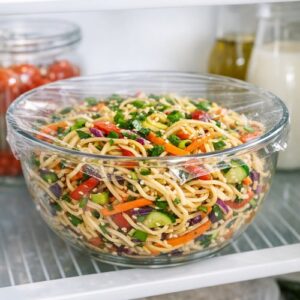
Transfer your tossed salad to the refrigerator and let it sit for at least 30 minutes before serving. This chilling time allows the flavors to meld together and the noodles to absorb some of the dressing. I often make this salad in the morning and serve it for dinner—the longer it sits, the more flavorful it becomes.
Step 7: Garnish and Serve
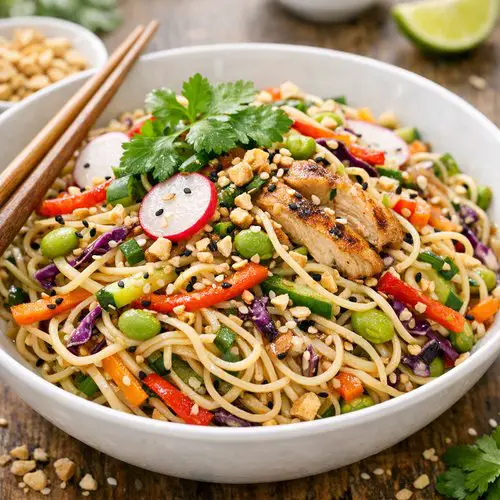
Remove your salad from the refrigerator. Give it a gentle toss to redistribute any dressing that may have settled at the bottom. Transfer to a serving bowl or individual plates. Top generously with the roasted peanuts and toasted sesame seeds. Finish with extra sliced green onions if you’d like. The contrast between the chilled salad and the fresh, crunchy toppings is what makes this dish sing.
Tips and Tricks
- Make the dressing ahead – Whisk the dressing together up to two days in advance and store it in a sealed jar in your refrigerator. Shake before using.
- Use a mandoline for carrot julienne – It takes 20 seconds instead of 5 minutes. Just keep your fingers back from the blade.
- Double the dressing – I always make extra because this salad is perfect for drizzling on leftovers the next day. It’s also delicious as a dip for spring rolls.
- Swap the peanuts – If you have cashews, almonds, or pecans on hand, they’re equally delicious. Choose your favorite.
- Toast your own sesame seeds – Dry toast them in a small skillet over medium heat for 2 to 3 minutes. The aroma tells you when they’re ready. Store-bought toasted seeds work beautifully too.
- Keep vegetables separate until serving – If you know you won’t eat the entire salad at once, keep the raw vegetables in a separate container. Combine with the noodles and dressing just before eating to maintain crunch.
Expert’s Nutritional Insight
As a registered dietitian, I want to highlight what makes this salad nutritionally smart. The combination of sesame oil and peanut butter provides healthy monounsaturated fats that support heart health and keep you satisfied longer. These fats also help your body absorb fat-soluble vitamins from the vegetables you’re eating.
The raw vegetables—bell peppers, carrots, and red cabbage—contribute fiber and phytonutrients that you lose when cooking. Since this salad celebrates raw vegetables, you’re getting maximum nutritional benefit. The ginger and garlic aren’t just flavor boosters; they contain compounds with anti-inflammatory properties that support overall wellness.
Can I Store Cold Noodle Salad?
Absolutely, and this is one of the reasons I love this recipe so much. Properly stored, this salad keeps beautifully for 3 to 4 days in an airtight container in your refrigerator. The flavors actually deepen over time, which means leftovers taste even better than the first serving.
Here’s my recommendation: if you want to meal prep, keep the noodles and dressing combined in one container, but store the raw vegetables separately. This preserves the crunch of your bell pepper and carrot. About 15 minutes before you’re ready to eat, toss the vegetables into the noodle mixture and add fresh peanuts and sesame seeds on top.
The dressing itself keeps up to 5 days in a sealed jar, which makes this recipe even more practical. You can toss it with fresh noodles and vegetables on any given weeknight for an instant dinner.
Nutrition Information
Based on USDA data and my kitchen testing, one serving (as a main course for 4 people) contains approximately 420 calories, 16 grams of protein, 22 grams of fat, and 42 grams of carbohydrates. Each serving provides about 6 grams of dietary fiber, which supports digestive health and keeps you full longer.
The combination of sesame seeds and peanuts contributes significant amounts of magnesium and zinc—minerals many home cooks don’t get enough of. The bell peppers and raw cabbage are rich in vitamin C, which supports immune function. This is genuinely a nutritionally complete meal that tastes like you’re treating yourself.
What Can I Serve With Cold Noodle Salad?
This salad is wonderful on its own, but here are some beautiful pairing options from my recipe collection. If you want to add more protein, consider serving it alongside Instant Pot Teriyaki Chicken and Rice. For a lighter lunch, pair it with Korean Asparagus for extra vegetables.
- Grilled chicken breast – Sliced and served warm on top of the cold salad. The contrast in temperatures is lovely.
- Pan-seared tofu – Crispy edges with a tender center add another texture dimension.
- Spring rolls – Use the extra peanut dressing as a dipping sauce.
- Edamame – Steamed and lightly salted, these add protein and a pop of color.
- Cucumber slices with miso dressing – A refreshing, cooling contrast.
- Garlic bread – If you want something warm and comforting alongside the cool salad.
Substitutes
- Any noodle you have on hand – Ramen is my go-to because it’s affordable and cooks quickly, but thin egg noodles, rice noodles, soba noodles, or regular spaghetti all work beautifully. Cook according to the package directions and chill before assembling.
- Almond butter or sunflower seed butter – If you have a peanut allergy or simply prefer a different nut butter, these are excellent substitutes. Use the same measurement.
- Rice vinegar alternatives – Apple cider vinegar or white vinegar work, though they’ll be slightly more acidic. Start with 1½ tablespoons and taste as you go.
- Lime alternatives – Fresh lemon juice provides similar brightness. You’ll need about 2 tablespoons.
- Different vegetables – Love broccoli? Slice it thinly and add it raw. Prefer snap peas? They’re delicious. Choose whatever vegetables your family enjoys eating raw.
- Cashews or almonds instead of peanuts – Use the same amount. Both add a different flavor profile while keeping the salad equally satisfying.
Common Mistakes to Avoid
- Not cooling the noodles completely – Warm noodles will wilt the fresh vegetables and make the whole salad mushy. Take your time with the cold-water rinse. This step is not optional.
- Skipping the sesame oil toss before assembly – I know it seems like an extra step, but those few seconds prevent your noodles from clumping together while you prep vegetables. You’ll have beautiful, separated strands instead of one big noodle mass.
- Not tasting the dressing before final assembly – Everyone’s preferences for salty, tangy, and sweet are different. Your version might need more soy sauce, or maybe you want extra lime juice. Taste and adjust while you’re making the dressing, not after everything’s combined.
- Mixing everything too far ahead – If you combine the salad and fresh vegetables more than 4 hours before eating, the vegetables start releasing water and the salad gets soggy. Make the noodles and dressing ahead, but add fresh vegetables within a few hours of serving.
Make-Ahead Guide for Meal Prep
One of the reasons I love this recipe is its meal prep potential. Here’s my professional approach to prepping this for the week.
Two days ahead: Make the dressing and store it in a sealed jar in your refrigerator. Cook and cool your noodles, toss lightly with sesame oil, and store in an airtight container.
One day ahead: Prep all vegetables—slice bell peppers, julienne carrots, shred cabbage, and slice green onions. Store them together in one large container with a damp paper towel to keep them fresh.
Serving day: Combine cooled noodles with the dressing in your serving bowl. Add vegetables and toss gently. Top with fresh peanuts and sesame seeds just before eating. This final assembly takes about 5 minutes and ensures maximum crunch and freshness.
Using this approach, you can have homemade cold noodle salad ready for lunch every single day without spending more than 10 minutes in the kitchen each morning.
Seasonal Variations
- Summer version – Add fresh cucumber slices, cherry tomatoes cut in half, and fresh mint or basil. The extra fresh herbs celebrate what’s in season and add brightness.
- Fall version – Include shredded apple, toasted pumpkin seeds instead of peanuts, and add a sprinkle of cinnamon to the dressing. The slightly spiced dressing is cozy without being heavy.
- Winter version – Use shredded beets, add sautéed mushrooms that have cooled, and include spinach or kale chopped finely. The earthier vegetables feel warming.
- Spring version – Add fresh snap peas, thin asparagus slices (briefly blanched and cooled), and fresh radish slices. Finish with fresh parsley or cilantro for maximum freshness.
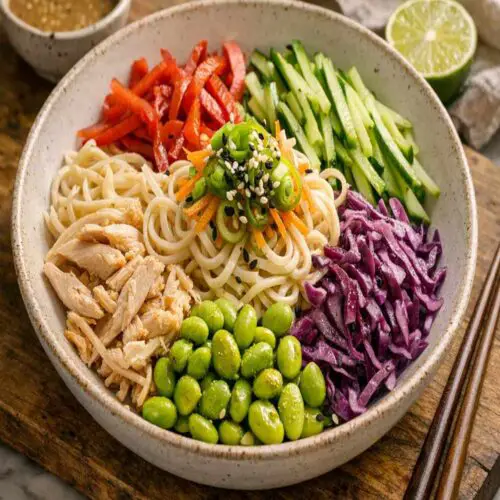
Cold Noodle Salad Recipe
Ingredients
For the Dressing
- 2 tablespoon toasted sesame oil (not the cooking kind
- 2 tablespoon rice vinegar mild acidity that won't overpower
- ⅓ cup soy sauce (adds that umami depth
- 1 teaspoon fresh garlic, minced or one clove, finely chopped
- 1 teaspoon fresh ginger, minced (not from a jar
- 3 tablespoon creamy peanut butter natural or traditional both work equally well
- juice of 1 fresh lime adds brightness and cuts through richness
- 1 tablespoon white sugar balances the salty and tangy notes
For the Salad
- 1 cup red cabbage, shredded adds crunch and beautiful color
- 1 tablespoon toasted sesame seeds white or black, or a mix of both
- 4 green onions, sliced diagonally this cut looks restaurant-worthy and tastes better
- ¾ cup roasted peanuts unsalted or lightly salted, based on your preference
- 4 packages ramen noodles, approximately 8 to 9 ounces total (or any noodle you prefer
- 1 large carrot, julienned into thin matchsticks use a box grater or mandoline if you have one
- 1 teaspoon toasted sesame oil, extra for tossing cooked noodles to prevent sticking
- 1 large red or yellow bell pepper, thinly sliced or a combination of both colors
Instructions
Step 1: Cook Your Noodles Until Tender
- Bring a large pot of water to a rolling boil and add your noodles. If you're using ramen, break them up slightly so they cook evenly. Cook them according to the package directions—usually 3 to 4 minutes for ramen or thin noodles. You want them completely tender but not mushy. Bite into one to check for doneness; there shouldn't be any hard center. Drain the noodles in a colander and rinse them thoroughly with cold water until they're completely cool. This stops the cooking process and prevents them from clumping together. Take your time with this step—cold noodles are essential for the final texture of your salad.
Step 2: Create the Silky Peanut Dressing
- While your noodles cool, grab a small mixing bowl and add the soy sauce, creamy peanut butter, toasted sesame oil, rice vinegar, sugar, lime juice, ginger, and garlic. Whisk everything together until the dressing is completely smooth and well combined. You should see no lumps of peanut butter remaining. Here's a pro tip from my kitchen testing: the dressing's consistency matters. If it's too thick, thin it out with a splash of soy sauce (about 1 teaspoon at a time). If it's too thin and runny, stir in a tiny bit more peanut butter. Taste as you go, and adjust the flavors to your preference. Want more tang? Add extra rice vinegar. More heat? Add fresh red pepper flakes.
Step 3: Prevent Noodle Sticking
- This step takes 30 seconds and makes a huge difference. Transfer your cooled, drained noodles to a large mixing bowl. Drizzle with 1 teaspoon of toasted sesame oil and toss gently until every noodle is lightly coated. This prevents them from clumping together while you prep the vegetables—a trick I learned early in my kitchen testing journey.
Step 4: Prep Your Fresh Vegetables
- Slice your bell pepper into thin, even strips. Chop your green onions on a diagonal angle (this isn't just for looks—it actually makes them taste slightly fresher). Use a box grater or mandoline to julienne your carrot into thin matchsticks. Shred your red cabbage as thinly as possible. Having everything prepped before you assemble makes the next step seamless.
Step 5: Bring It All Together
- Add the sliced bell pepper, diagonally-cut green onions, julienned carrot, shredded red cabbage, and all the cooled noodles to your large mixing bowl. Pour the peanut dressing over everything. Using two spoons or salad tongs, toss the entire salad together until every noodle and vegetable is evenly coated with the creamy dressing. This takes about 2 to 3 minutes of gentle tossing.
Step 6: Chill and Set Flavors
- Transfer your tossed salad to the refrigerator and let it sit for at least 30 minutes before serving. This chilling time allows the flavors to meld together and the noodles to absorb some of the dressing. I often make this salad in the morning and serve it for dinner—the longer it sits, the more flavorful it becomes.
Step 7: Garnish and Serve
- Remove your salad from the refrigerator. Give it a gentle toss to redistribute any dressing that may have settled at the bottom. Transfer to a serving bowl or individual plates. Top generously with the roasted peanuts and toasted sesame seeds. Finish with extra sliced green onions if you'd like. The contrast between the chilled salad and the fresh, crunchy toppings is what makes this dish sing.
Notes
FAQs
Can I make this salad warm?
You can, though I wouldn’t recommend it as the standard preparation. If you prefer warm noodles, skip the cold-water rinse and assemble the salad while the noodles are still warm. The vegetables will soften slightly, but the flavors are still delicious. Keep everything else the same. Just know that the texture will be different—less crispy vegetables, softer noodles overall.
Is there a gluten-free option?
Absolutely. Use rice noodles, corn noodles, or certified gluten-free pasta in place of regular ramen. The cooking time might vary slightly, so check the package directions. The dressing itself is naturally gluten-free as long as you use tamari or gluten-free soy sauce. Everything else remains the same.
Can I add protein like chicken or shrimp?
Yes! This salad is the perfect canvas for protein. Shredded cooked chicken, grilled shrimp, pan-seared tofu, or even hard-boiled eggs work beautifully. Add about 4 to 6 ounces of protein per serving. You can serve it warm on top of the cold salad for a nice temperature contrast, or chill the protein first.
How much dressing should I use?
I like a generously coated salad, so I use all of the dressing I’ve made in the recipe. However, dressing preferences vary widely. Start with three-quarters of the dressing, toss, taste, and add more if you’d like. You can always add more, but you can’t remove it. I always make extra dressing because it’s delicious on other dishes too.
What if I don’t have fresh ginger and garlic?
Fresh is definitely my preference because it provides brightness and real depth of flavor. However, in a pinch, you can substitute ½ teaspoon ground ginger and ½ teaspoon garlic powder. The flavor profile will be slightly different—less fresh and vibrant—but the salad will still be delicious. Next time you’re at the grocery store, grab fresh versions. They keep in your refrigerator for weeks.
More Recipes You’ll Love
- Creamy Thai Sweet Potato Curry – Another Asian-inspired dish with similar flavor notes and the same quick cooking time.
- my weeknight pasta – A warm pasta dish that shares the same “dinner in 20 minutes” philosophy.
- Korean Asparagus – A simple vegetable side that pairs beautifully with this salad.
I hope you give this cold noodle salad a try and discover what my family has already learned: sometimes the simplest recipes are the ones we come back to again and again. There’s something genuinely satisfying about making a restaurant-quality dish in your own kitchen using ingredients you already have on hand.
This salad has become part of my regular rotation because it meets me where I am—busy, wanting something delicious, needing food that nourishes my family without creating stress in the kitchen. That’s what cooking should feel like: joyful, manageable, and rewarding.
Make this soon. I promise you’ll be making it again next week. Good food is a good mood!
- Peanut Soba Noodle Salad
- Kale Blueberry Salad
- Publix Chicken Salad Recipe
- La Madeleine Pasta Salad Recipe
My name is Lori Walker. I’m a registered dietitian, food blogger and food enthusiast. I share easy healthy, delicious recipes on my blog and review necessary kitchen items. The recipes I share take less… Read more