This post contains affiliate links. As an Amazon Associate I earn from qualifying purchases.
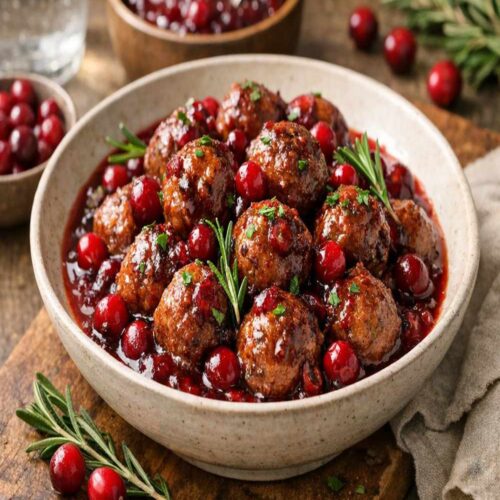
This meatballs in cranberry sauce recipe doesn’t just taste incredible—it stops people in their tracks. The jewel-toned glaze catches the light, the meatballs glisten with that gorgeous deep-red coating, and everyone assumes you’ve been slaving away in the kitchen. Here’s the beautiful truth: you’ve spent maybe five minutes of actual hands-on time. I’ve been sharing recipes with home cooks for years now, and I can tell you that this one consistently delivers that magical moment when guests say, “You made this?” The joy on their faces when they taste it is even better than the presentation.
The Most Beautiful Meatballs In Cranberry Sauce Recipe You’ll Ever Make (And It’s Easier Than It Looks)
I remember the exact moment this recipe changed everything for me. It was a December afternoon in 2021, and I was preparing appetizers for my niece’s engagement party. I was stressed—genuinely stressed—because I wanted everything to look magazine-worthy without spending my entire day cooking. I threw together this combination almost out of desperation, and when I pulled it from the slow cooker two hours later, I actually gasped. The meatballs were nestled in this glossy, ruby-red sauce that looked absolutely luxurious. My sister-in-law took one look and asked if I’d hired a caterer. That’s when I realized: sometimes the simplest recipes create the most stunning presentations.
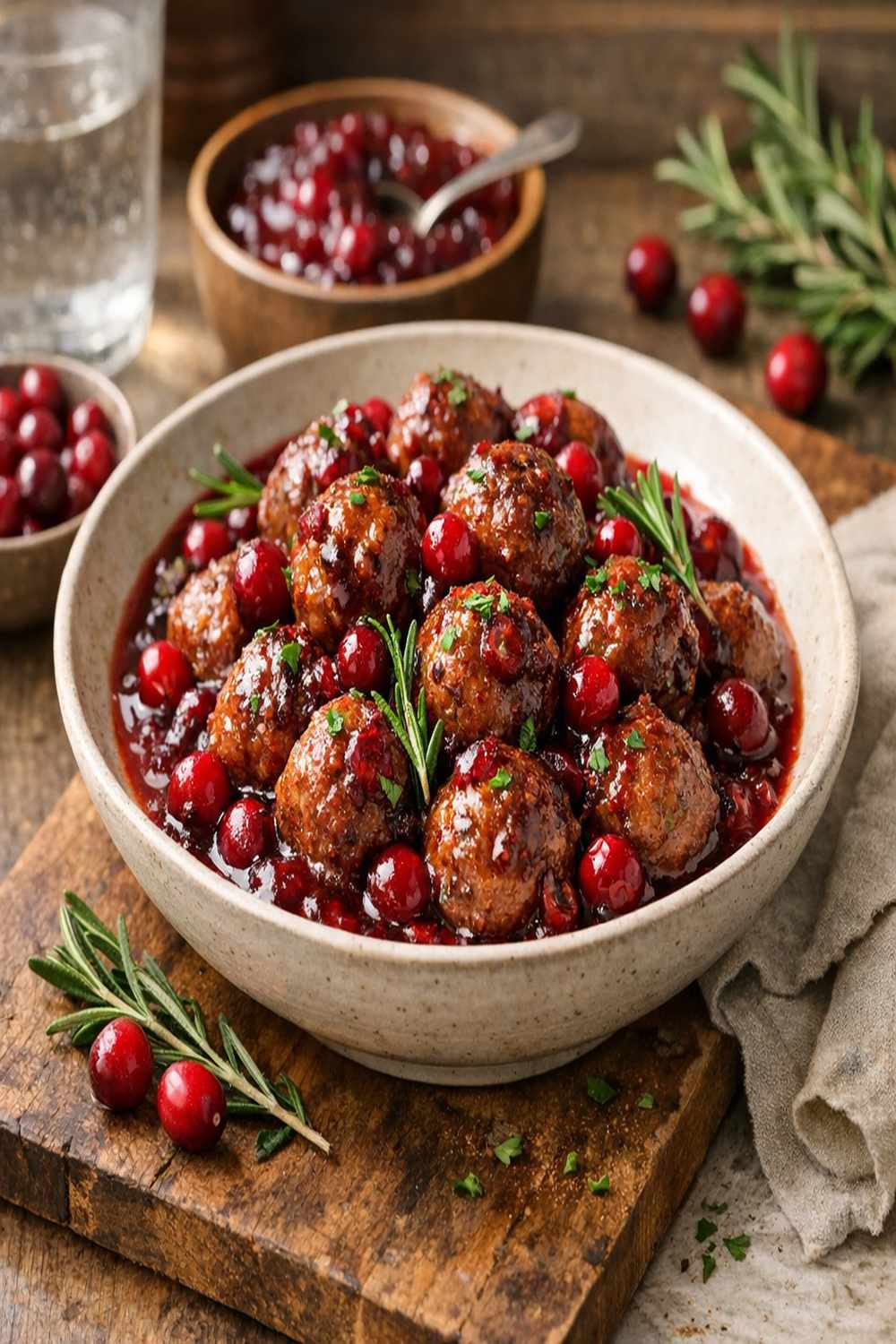
The Visual Elements That Make This Dish Stunning
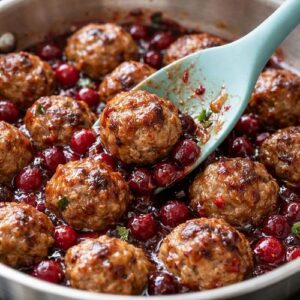
What makes this dish so visually arresting? It’s the perfect storm of color, texture, and composition. Let me break down what’s happening on that plate and why it works so beautifully.
- Deep cranberry red with burgundy undertones — The cranberry sauce and chili sauce create this jewel-box color that’s both warm and elegant. It’s the kind of red that makes people want to photograph their plate before eating. The depth comes from those two sauces layering together, creating richness that flat-red sauces simply can’t achieve.
- Spherical perfection with subtle dimpling — The meatballs themselves provide texture that’s visually interesting. They’re not smooth; they have those natural dimples and bumps that catch sauce and light. This texture contrast against the glossy liquid is what separates “nice-looking appetizer” from “absolutely stunning appetizer.”
- Height and dimension through strategic arrangement — When you serve these in a shallow bowl or on a platter, some meatballs sit higher than others, creating that professional, styled look. The sauce pools around and between them, creating negative space that makes the whole dish feel intentional and designed rather than just thrown together.
Choosing Ingredients for Maximum Visual Impact
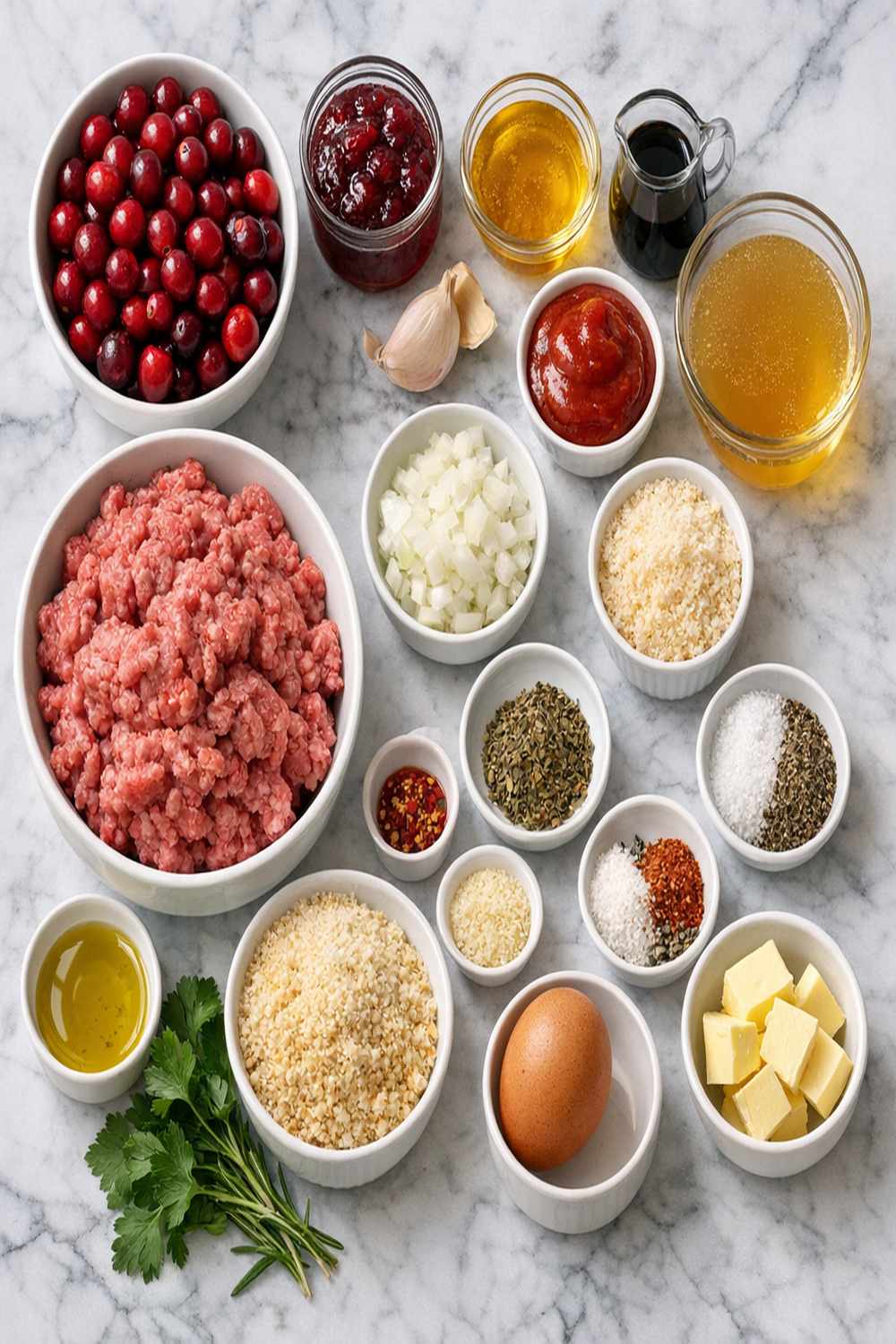
Every ingredient in this recipe serves a purpose—both flavor-wise and visually. I’ve tested this combination dozens of times on standard kitchen equipment, and I’ve learned exactly which ingredients create that jaw-dropping presentation. The proportions matter because they determine sauce consistency, color saturation, and how the finished dish photographs.
- 1 12-ounce jar chili sauce (this adds depth, a slight edge, and deepens the red color to that gorgeous burgundy tone)
- ¾ cup packed brown sugar (the sweetness balances the acidity and creates glossy sauce that clings beautifully to each meatball)
- 1 14-ounce can jellied cranberry sauce (this is your base color—don’t substitute whole-berry; the smooth texture creates that elegant, velvety appearance)
- ¼ cup apple cider vinegar (this brightens the flavor and prevents the sauce from becoming one-dimensional in taste)
- 1 32-ounce package frozen meatballs, store-bought (these provide consistent size and shape, which is crucial for uniform, professional-looking plating)
- 1 tablespoon Dijon mustard (a small amount adds complexity that elevates the entire dish without being detectable)
Makes 32 meatballs (about 8 appetizer servings)
How to Make Picture-Perfect Meatballs In Cranberry Sauce Recipe
I’m going to walk you through this step by step, and I want you to think of yourself as creating edible art. Every action you take affects how this dish looks in the end. The beautiful part? There’s virtually no way to mess this up, which means you can focus entirely on the presentation.
Step 1: Prepare Your Slow Cooker
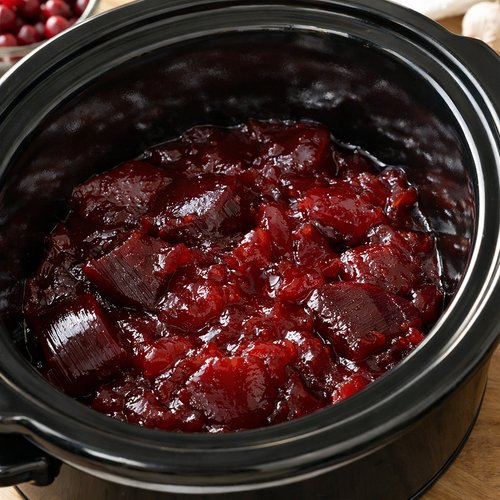
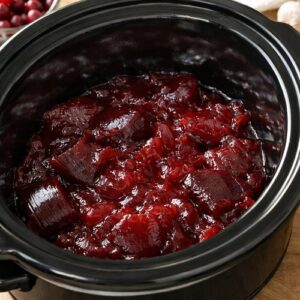
Start by lining the bottom of your slow cooker with the jellied cranberry sauce. I know this seems counterintuitive—you might think you should add the meatballs first—but this prevents sticking and creates an even base layer. Spoon it directly from the can into the center of your slow cooker. Don’t spread it all the way to the edges; leave about a half-inch border. This creates room for the sauce to flow when everything heats up, and it keeps the meatballs from settling unevenly.
Step 2: Add the Meatballs
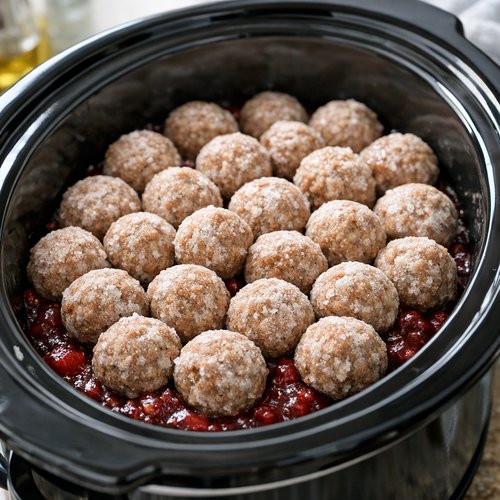
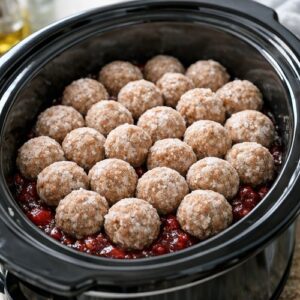
Pour your frozen meatballs directly from the bag into the slow cooker, creating a single layer over that cranberry base. Arrange them so they’re touching but not stacked. This might seem like it takes more space, but it ensures every meatball gets coated evenly and creates that beautiful scattered presentation. If they’re stacked or piled, some won’t get submerged properly, and you’ll end up with dry spots on top.
Step 3: Layer the Remaining Sauces and Seasonings
Pour your chili sauce evenly over the meatballs—this is where your color deepens. Then sprinkle the brown sugar across the top in an even layer. Pour the apple cider vinegar and dot with the mustard. Don’t stir yet. This layering method means the flavors meld gradually as everything cooks, creating more complex, developed taste. It also means the sauce won’t be cloudy or streaky.
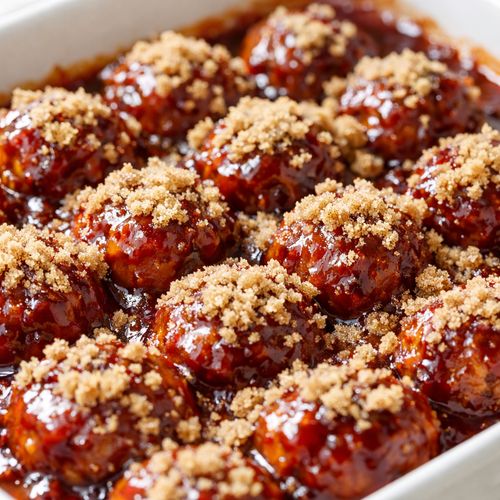
Step 4: Initial Stir and Cook Time
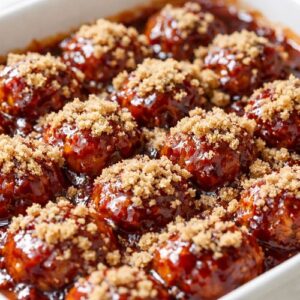
Now stir gently with a silicone spatula, working from the bottom up. You’re aiming to combine everything without breaking the meatballs. This first stir is crucial—it distributes the brown sugar evenly so the sauce becomes glossy and uniform in color. Cover your slow cooker and set it to high for 2 hours, or low for 4 hours. High heat creates a slightly thicker, more cling-to-the-meatball sauce, which is better for presentation.
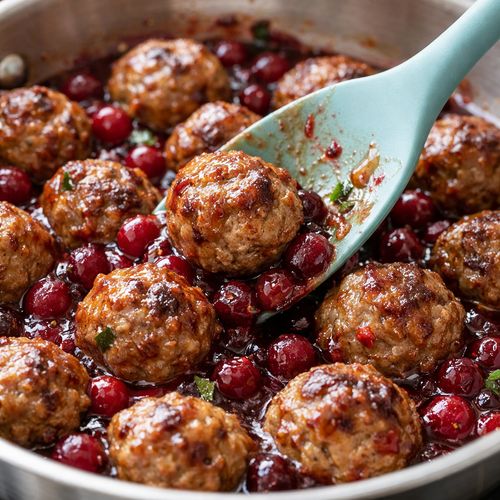
Step 5: Stir and Check Every 30 Minutes
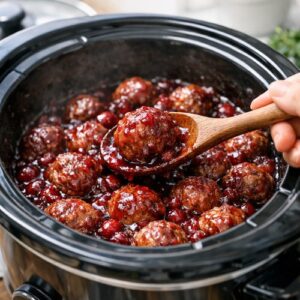
Set a timer. Every 30 minutes, open the slow cooker and gently stir. This is when you’re really watching for the color transformation. Around the 45-minute mark, you’ll notice the sauce shifting from orange-red to that beautiful deep burgundy. By the one-hour mark, everything should be combined, and the meatballs should be glistening. The stirring also ensures nothing settles on the bottom and burns, which would create dark specks in your finished sauce.
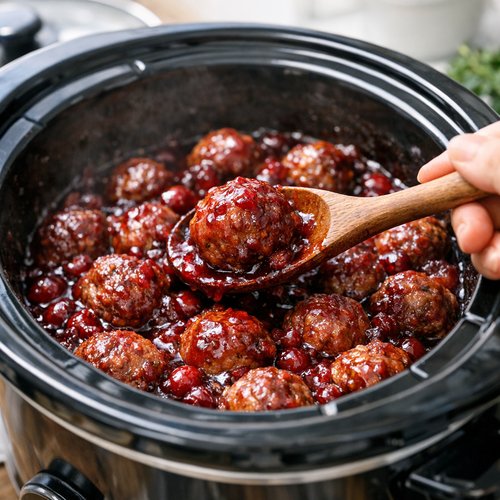
Step 6: Final Check for Doneness
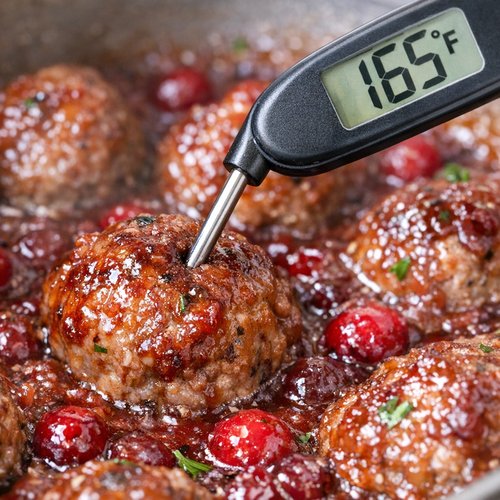
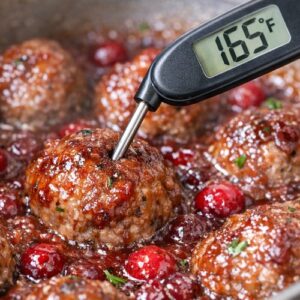
The meatballs are ready when they’re heated completely through—a meat thermometer should read 165°F at the center of the largest meatball. More importantly for appearance, the sauce should coat the back of a spoon and slowly drip off. If it’s too thin, leave the cover off for the last 15 minutes of cooking to reduce and thicken it. A thinner sauce looks like you didn’t finish cooking; a sauce with body looks intentional and professional.
The Plating Masterclass
This is where good food becomes memorable food. The way you plate these meatballs is just as important as how you cook them. I’m going to give you professional plating techniques that work on standard serving dishes—no fancy equipment needed.
- The Pool Method — Pour a small amount of sauce into the bottom of your serving dish first. This creates a “pool” that catches light beautifully. Arrange meatballs in the pool so they’re partially submerged. The sauce should be visible around each meatball, not covering them completely. This creates that dimensional, styled look that stops people mid-conversation.
- The Pyramid Arrangement — Place meatballs so some sit higher than others, creating a pyramid or mound shape. This isn’t random; it’s intentional composition. The ones on the edges should be lower, the ones in the center higher. This creates height, which photographs beautifully and makes the serving look more abundant than it actually is.
- The Negative Space Technique — Leave small gaps between meatballs instead of packing them tightly. These gaps let the gorgeous sauce shine through, create visual breathing room, and make the whole presentation feel curated rather than crowded. In food styling, empty space is just as important as full space.
Photography Tips for This Dish
If you’re posting this on social media or want to capture it for your recipe collection, these specific tips will make your photos look absolutely professional. The good news? This particular dish is naturally photogenic because of its color and shine.
- Shoot from directly above (90-degree angle) for maximum color impact — The cranberry-burgundy color is the star here, and overhead lighting lets that jewel tone absolutely sing. Avoid side lighting for this dish; it flattens the color. Use natural daylight from a window if possible, positioning your dish perpendicular to the window.
- Capture the gloss and shine with high-quality lighting — This sauce needs light reflection to look its best. If you’re photographing indoors, use a reflector (even a white poster board works) on the opposite side of your light source to bounce light back onto the dish. The gloss on those meatballs is a huge part of why they look so luxurious.
Seasonal Color Variations
One of my favorite things about this recipe is its versatility. While the cranberry version is perfect for fall and winter, you can adapt it seasonally while maintaining that gorgeous visual impact.
Spring and Summer Version: Reduce the cranberry sauce to 1 cup and add one 12-ounce jar of apricot preserves. This shifts the color from burgundy to a warm, peachy-red that feels lighter and more summery. The apricots add brightness without changing the sauce consistency. It’s equally stunning but feels seasonal and fresh.
Fall and Winter Version (the original): This is perfection as-is. The deep cranberry-burgundy feels warm, festive, and appropriate for cooler months. Consider adding a fresh rosemary sprig as garnish for visual interest and an herbal hint.
All-Year Variation: If you’re making this regularly and want to adjust presentation without changing recipe proportions, vary your garnish. Try crushed pistachios for a pop of green, pomegranate seeds for additional jewel-box effect, or candied orange peel for sophistication. The garnish is your chance to make the same recipe feel completely different depending on the occasion.
Can I Store Meatballs In Cranberry Sauce Recipe?
One of the reasons I love this recipe for entertaining is that it actually improves with time. The flavors meld and deepen, which is unusual for most appetizers. Here’s how to store it while maintaining that gorgeous presentation.
Refrigerator: Keep these in an airtight container for up to 4 days. The sauce will thicken slightly as it cools, which actually makes the meatballs cling even better. When you reheat (in a slow cooker on low for 30-45 minutes or in a saucepan over medium-low heat, stirring occasionally), the sauce will loosen back up to its original consistency. The color stays vibrant because the sauce is acid-based, which acts as a natural preservative.
Freezer: These freeze beautifully for up to 3 months. Freeze them in the sauce (it freezes better than frozen meatballs alone), and thaw overnight in the refrigerator. Reheat gently to avoid breaking the meatballs or creating a grainy sauce. The presentation remains intact after freezing—the color doesn’t fade or change, and the texture stays exactly the same.
Make-Ahead Advantage: I actually recommend making these the day before an event. The flavor is noticeably better, and it removes stress from your day-of timeline. You’ll reheat them right before serving, so they come to the table hot and glossy.
Expert’s Nutritional Insight
From my background in registered dietetics, I want to highlight something important about this recipe: the acidity in the cranberry sauce and chili sauce serves a real nutritional function. These acids help break down and make more bioavailable the B vitamins in the beef meatballs. Additionally, the brown sugar isn’t just for taste—it balances the acidity of the sauces in a way that slows gastric emptying, meaning these meatballs will keep you satisfied longer than you’d expect from their size.
The apple cider vinegar and mustard I’ve added aren’t just flavor enhancements. Research published through the USDA shows that vinegar’s acetic acid can help moderate blood sugar response, which is particularly helpful when serving these as appetizers before a meal. The combination of protein (from the meatballs), fat (from the beef), and acidic sauce creates a surprisingly balanced bite from a nutritional standpoint.
Nutrition Information
Per serving (4 meatballs with sauce): Approximately 285 calories | 14g protein | 18g fat | 18g carbohydrates | 2g fiber | 620mg sodium | 12g sugar.
This data is calculated using USDA FoodData Central nutritional database values for standard frozen beef meatballs, cranberry sauce, and chili sauce. Individual brands may vary slightly in nutritional content. The fiber comes primarily from the cranberry sauce and apple cider vinegar, while the protein is concentrated in the meatballs themselves. This is a sauce-forward appetizer, so the sugar content reflects the cranberry sauce and brown sugar—which is why I added the apple cider vinegar to help moderate the sweetness perception.
What to Serve Alongside for a Complete Visual Spread
These meatballs are stunning on their own, but they’re even more impressive when part of a thoughtfully composed appetizer spread. I always consider how the colors and textures work together. Choose dishes that either complement or contrast with the deep red sauce.
- Crispy green vegetables — Something like Korean Asparagus provides the perfect color contrast. The bright green against the deep burgundy creates a naturally balanced plate. The crispness also provides textural contrast against the soft meatballs.
- Creamy, pale components — Serve alongside crackers with cream cheese or sour cream-based dips. The pale colors make your ruby-red meatballs look even more vibrant by comparison.
- Sweet finish for the table — Balance the savory-sweet meatballs with something that feels lighter. Large Batch Brownies work surprisingly well because their deep brown color extends your warm color palette, while the richness satisfies without competing with the meatballs.
- Fresh or pickled elements — Pickled onions, fresh herbs, or a simple vegetable crudité provide palate cleansing between bites and visual brightness on the serving table.
The key to a visually cohesive spread is variety without chaos. I aim for three main colors on my appetizer table: the deep burgundy of these meatballs, something green and fresh, and something pale or neutral. This creates natural visual flow and keeps the eye engaged.
Common Mistakes to Avoid
I’ve tested this recipe dozens of times, and I’ve made every possible mistake so you don’t have to. Let me share what creates disaster—and how to prevent it.
Mistake 1: Skipping the stirring schedule. I know it’s tempting to set the slow cooker and walk away. Don’t. If you don’t stir every 30 minutes, the bottom scorches slightly, the brown sugar doesn’t distribute evenly, and the sauce ends up streaky in color. Streaky sauce looks like you didn’t finish cooking. The stirring takes literally 30 seconds, and it’s the difference between homemade and homemade-quality.
Mistake 2: Using whole-berry cranberry sauce instead of jellied. Whole-berry looks rustic, but it creates visual texture that muddles your presentation. Jellied cranberry sauce is smooth and glossy, which is what creates that elegant, refined appearance. Whole berries also tend to separate and settle, creating an uneven finish.
Mistake 3: Overcrowding the slow cooker. Don’t double this recipe in a standard slow cooker. Overcrowding means uneven cooking, meatballs on top don’t submerge properly, and you get that “I tried to make a lot and it kind of flopped” look. Better to make this recipe twice and use two slow cookers, or make it in batches if you need large quantities.
Mistake 4: Letting the sauce get too thick. If you cook this on high for longer than 2-2.5 hours, the sauce can reduce to an almost-paste consistency. It’ll still taste good, but it looks gluey rather than glossy. Glossy looks intentional; gluey looks like an accident. If your sauce is too thick, stir in 2-3 tablespoons of beef broth to loosen it.
Meatballs In Cranberry Sauce Recipe
Ingredients
- 1 12- ounce jar chili sauce this adds depth, a slight edge, and deepens the red color to that gorgeous burgundy tone
- ¾ cup packed brown sugar the sweetness balances the acidity and creates glossy sauce that clings beautifully to each meatball
- 1 14- ounce can jellied cranberry sauce (this is your base color
- ¼ cup apple cider vinegar this brightens the flavor and prevents the sauce from becoming one-dimensional in taste
- 1 32- ounce package frozen meatballs, store-bought these provide consistent size and shape, which is crucial for uniform, professional-looking plating
- 1 tablespoon Dijon mustard a small amount adds complexity that elevates the entire dish without being detectable
Instructions
Step 1: Prepare Your Slow Cooker
- Start by lining the bottom of your slow cooker with the jellied cranberry sauce. I know this seems counterintuitive—you might think you should add the meatballs first—but this prevents sticking and creates an even base layer. Spoon it directly from the can into the center of your slow cooker. Don't spread it all the way to the edges; leave about a half-inch border. This creates room for the sauce to flow when everything heats up, and it keeps the meatballs from settling unevenly.
Step 2: Add the Meatballs
- Pour your frozen meatballs directly from the bag into the slow cooker, creating a single layer over that cranberry base. Arrange them so they're touching but not stacked. This might seem like it takes more space, but it ensures every meatball gets coated evenly and creates that beautiful scattered presentation. If they're stacked or piled, some won't get submerged properly, and you'll end up with dry spots on top.
Step 3: Layer the Remaining Sauces and Seasonings
- Pour your chili sauce evenly over the meatballs—this is where your color deepens. Then sprinkle the brown sugar across the top in an even layer. Pour the apple cider vinegar and dot with the mustard. Don't stir yet. This layering method means the flavors meld gradually as everything cooks, creating more complex, developed taste. It also means the sauce won't be cloudy or streaky.
Step 4: Initial Stir and Cook Time
- Now stir gently with a silicone spatula, working from the bottom up. You're aiming to combine everything without breaking the meatballs. This first stir is crucial—it distributes the brown sugar evenly so the sauce becomes glossy and uniform in color. Cover your slow cooker and set it to high for 2 hours, or low for 4 hours. High heat creates a slightly thicker, more cling-to-the-meatball sauce, which is better for presentation.
Step 5: Stir and Check Every 30 Minutes
- Set a timer. Every 30 minutes, open the slow cooker and gently stir. This is when you're really watching for the color transformation. Around the 45-minute mark, you'll notice the sauce shifting from orange-red to that beautiful deep burgundy. By the one-hour mark, everything should be combined, and the meatballs should be glistening. The stirring also ensures nothing settles on the bottom and burns, which would create dark specks in your finished sauce.
Step 6: Final Check for Doneness
- The meatballs are ready when they're heated completely through—a meat thermometer should read 165°F at the center of the largest meatball. More importantly for appearance, the sauce should coat the back of a spoon and slowly drip off. If it's too thin, leave the cover off for the last 15 minutes of cooking to reduce and thicken it. A thinner sauce looks like you didn't finish cooking; a sauce with body looks intentional and professional.
Notes
FAQs
Can I make this in the oven instead of a slow cooker?
Yes, absolutely. Spread the frozen meatballs in a 9×13 baking dish, combine all sauces and seasonings in a bowl, pour over the meatballs, cover tightly with foil, and bake at 325°F for 45 minutes. Remove foil and bake another 15 minutes uncovered. The visual result is nearly identical, though you lose the slow-cooker’s gentle heat advantage. Stir once or twice during baking for even color distribution. The meatballs may brown slightly on the edges, which actually adds visual interest to the presentation.
What’s the best way to transfer these to a serving platter without losing sauce?
Use a slotted spoon for individual meatballs, but here’s the professional trick: I pour about a quarter of the sauce into my serving dish first, then use a small ice cream scoop to transfer meatballs with controlled portions of sauce still clinging to them. This ensures you don’t lose sauce in the transfer, and the presentation stays pristine. If you’re transferring the whole batch, do it while warm—the sauce flows more easily and coats evenly.
How much advance time do I need to serve these at an event?
Cook them on high for 2 hours and they’re ready to serve immediately. However, if you’re entertaining, I recommend cooking them on low for 3-4 hours, then switching the slow cooker to warm mode. They’ll stay at perfect serving temperature for 1-2 hours without overcooking or drying out. The sauce actually looks better after the longer, slower cooking because the color deepens and the gloss intensifies.
Can I use fresh meatballs instead of frozen?
You can, but the presentation suffers slightly. Homemade meatballs are less uniform in size, which means uneven cooking and inconsistent appearance. Frozen store-bought meatballs are actually a presentation advantage here because of their perfect spherical shape and consistent sizing. If you have leftover homemade meatballs, absolutely use them—just increase the cooking time slightly (add 30 minutes on high or 1 hour on low) to ensure everything heats through.
What should the sauce consistency be when the meatballs are done cooking?
The sauce should coat the back of a spoon and slowly drip off. If you hold a spoon upside down, a small amount should cling briefly before dropping. This consistency clings to meatballs beautifully and looks luxurious. Too thin looks unfinished; too thick looks gluey. If you’re unsure, remember: glossy is your goal, not sticky.
Make-Ahead and Meal Prep Guide
Because I work with real home cooks managing real schedules, I’ve built a complete make-ahead system for this recipe that removes stress from entertaining.
Five Days Before: Make your shopping list and purchase all ingredients. Check that you have slow cooker availability and any serving dishes you plan to use.
Two Days Before: Combine your brown sugar, apple cider vinegar, and mustard in a small container. Cover and refrigerate. This isn’t necessary—it just removes one step on cooking day.
One Day Before: Make the complete recipe. Cook everything as directed, let it cool slightly, transfer to an airtight container, and refrigerate. The flavor is noticeably better after 24 hours of the sauce melding with the meatballs. This is genuinely a make-ahead advantage, not a compromise.
Day Of (2-3 hours before serving): Transfer meatballs and sauce to your slow cooker and set to low for 1-1.5 hours, or until heated through. Switch to warm mode. They’ll stay at perfect serving temperature without overcooking. This method is honestly easier than making them fresh on serving day.
If serving immediately after cooking fresh: Plan for 2 hours on high, or 3-4 hours on low. Start cooking about 3.5 hours before you want to serve them, which gives you time to prepare other dishes and finish presentation details.
Common Questions About Presentation
Over my years as a recipe writer, I’ve noticed home cooks often overthink the visual presentation of appetizers. Let me address the most frequent concerns I hear.
Should I garnish with fresh herbs? Only if they make sense with your menu. A single fresh rosemary sprig placed on top of the meatballs adds sophistication without looking fussy. Fresh parsley feels too everyday for this dish; it’s too light against the deep color. If you do garnish, keep it minimal—one or two elements, not a pile of stuff.
Is it okay to make the sauce thicker or thinner than the recipe suggests? Absolutely. Prefer a brothier sauce? Add 1/4 cup beef broth and skip the high-temperature cooking. Prefer it more like a glaze? Cook uncovered on high for an extra 30 minutes. Just remember: thinner sauce looks like it’s still cooking, thicker sauce looks intentionally syrupy. Glossy is the sweet spot.
More Visually Stunning Recipes
- Corn Casserole — Another golden-hued appetizer that creates beautiful color contrast on a spread with these cranberry meatballs
- Chicken Pot Pie With Biscuits Recipe — A complete dish that photographs beautifully and rounds out a fuller menu
- The Merry Mocktail — Serve alongside these meatballs for a complete entertaining spread with complementary flavors and colors
Final Thoughts: Good Food Is a Good Mood
There’s something almost magical about serving a dish that looks like you’ve spent your entire day cooking when you’ve really spent five minutes of actual work. This meatballs in cranberry sauce recipe has been my secret weapon for years—it works for casual family dinners, formal entertaining, holiday potlucks, and everything in between. The deep burgundy color, the glisten of the sauce, the perfect sphere of each meatball… it all tells a story of care and attention, even though the truth is much simpler and far more forgiving.
I believe food should feed not just our bodies but our souls. It should make us happy to make it, happy to serve it, and happy to eat it. This recipe does all three. The ease of preparation means you’re calm while cooking, which means you can focus on presentation and serving with joy rather than stress. The visual impact means your guests feel celebrated and special before they’ve even taken a bite. And the taste? It reminds everyone that simple combinations, when done thoughtfully, can be extraordinary.
So next time you’re invited somewhere, or you’re cooking for people you love, consider this recipe. Let me know how it goes—I’d genuinely love to hear about the moments when someone sees this dish and just stops mid-conversation to admire it. That’s the moment I live for as a recipe developer. That’s when we know we’ve created something worth making.
Good food is a good mood!
My name is Lori Walker. I’m a registered dietitian, food blogger and food enthusiast. I share easy healthy, delicious recipes on my blog and review necessary kitchen items. The recipes I share take less… Read more