This post contains affiliate links. As an Amazon Associate I earn from qualifying purchases.
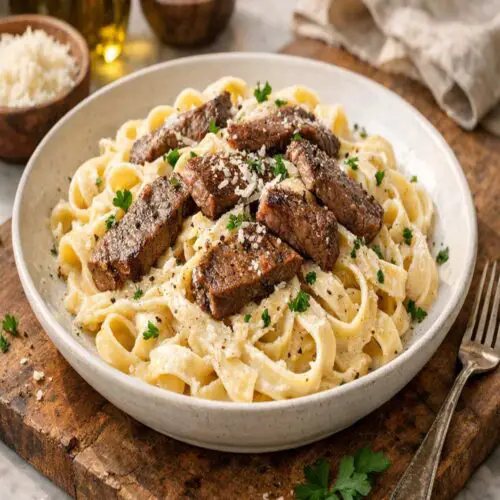
There’s something deeply satisfying about twirling a fork through silky fettuccine coated in a rich, savory sauce. This beef pasta alfredo brings together tender ground beef, earthy mushrooms, and a luxurious cream sauce that tastes like you’ve been cooking all day—but I promise you haven’t. Pair it with a crisp green salad or roasted vegetables, and you’ve got a weeknight dinner that feels genuinely special. Looking for other indulgent beef dishes? Check out our Kroll’s Corner Cheeseburger Sliders for another crowd-pleasing ground beef option.
Why I Created This Creamy Beef Pasta Dish
I still remember the first time I tested this recipe at my kitchen counter in early 2021. My son had asked for “something fancy but not fussy,” and I was staring at a pound of ground beef, wondering how to transform it into something elegant. I’d been documenting family recipes for about two years by then, always looking for that sweet spot where restaurant-quality food meets real-world weeknight timing.
I sautéed the beef with mushrooms, added a splash of wine, and whisked in the cream. The moment those noodles hit the sauce, my whole family gathered around the stove. No one could believe I’d made it in under 30 minutes. That’s when I knew: this recipe needed to be shared with home cooks who want to feed their families something genuinely delicious without the stress.
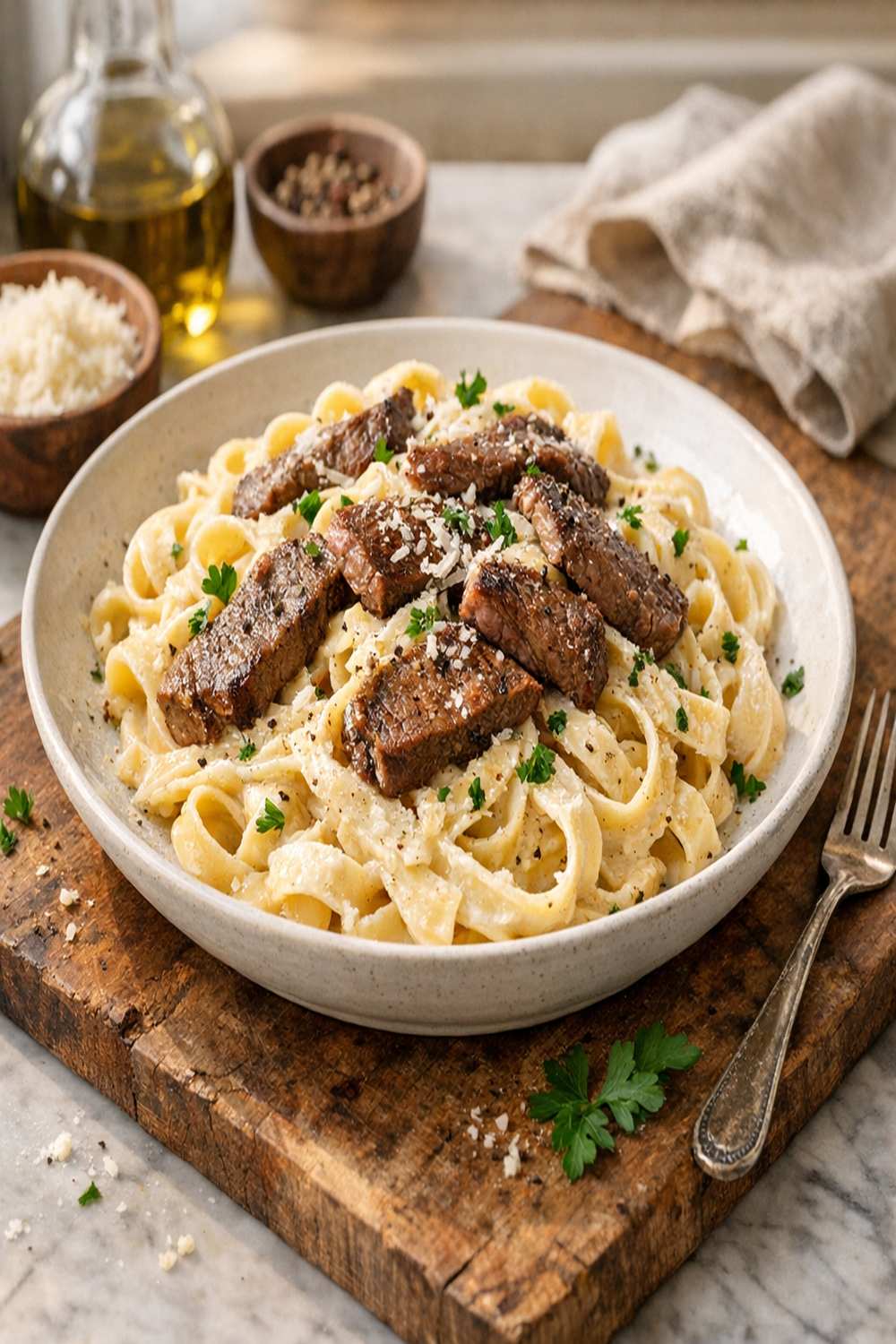
What is Beef Pasta Alfredo?
True alfredo sauce originated in Rome and traditionally features butter, Parmesan cheese, and pasta water—nothing more. It’s beautifully simple. This version honors that tradition while adding my own twist: ground beef and mushrooms create depth and heartiness, while the cream and stock balance the richness with subtle flavor complexity.
What makes this dish special is the sauce-to-pasta ratio and how the flavors layer together. The beef browns deeply, developing what chefs call the Maillard reaction—that golden-brown crust that adds umami. The mushrooms release their moisture, creating a natural base for the cream sauce. And the pasta water? That’s your secret weapon. Its starch helps the sauce cling to each strand of fettuccine, creating something wonderfully creamy without being heavy.
Why You’ll Love This Beef Pasta Alfredo Recipe
- Ready in under 30 minutes – From pantry to table, this entire meal comes together faster than ordering takeout. I’ve timed it dozens of times, and it consistently delivers.
- Uses ingredients you already have – No specialty items needed. Everything in this recipe lives in a standard kitchen or your local grocery store’s basics section.
- Deeply satisfying and restaurant-quality – The combination of beef, mushrooms, and cream creates layers of flavor that taste like you’ve simmered this all afternoon.
- Adaptable to your preferences – Love more mushrooms? Add them. Prefer less cream? Use less. This recipe is forgiving and flexible.
- Perfect for meal prep – Makes great leftovers and reheats beautifully, making it ideal for busy families or meal-planning enthusiasts.
- Naturally gluten-free option – Simply swap the fettuccine for gluten-free pasta, and you’ve accommodated dietary needs without sacrificing flavor.
The Ingredients
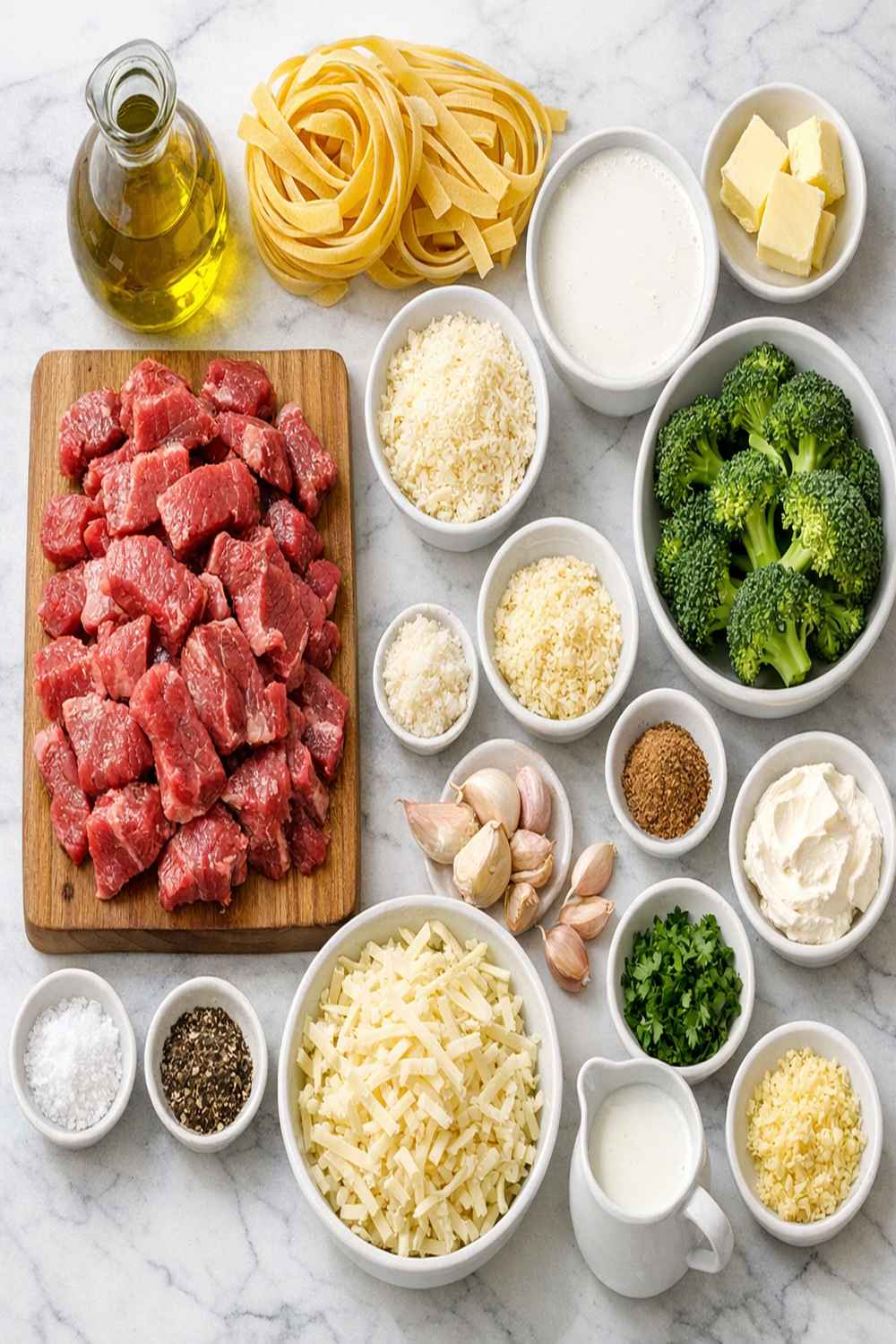
I’ve organized these ingredients by cooking sequence, which is how I always test recipes. This helps you gather everything you need and understand the order in which they’ll work together. Most items are pantry staples or refrigerator basics. One tip: buy whole nutmeg and microplane it fresh if you have the tool—it elevates the flavor profile in ways pre-ground nutmeg simply cannot.
- 1 medium yellow onion (finely diced, about ¾ cup)
- 1 pound ground beef (85/15 blend is ideal for texture and richness)
- 2 large garlic cloves (sliced thin so they soften quickly)
- ¼ teaspoon freshly grated nutmeg (just a whisper—trust me on this)
- 1 teaspoon Italian seasoning (or combine ¼ teaspoon each of oregano, basil, thyme, and marjoram)
- Fresh flat-leaf parsley (about ½ cup loosely packed, divided for cooking and garnish)
- Sea salt and freshly ground black pepper (to taste throughout cooking)
- 1 cup heavy cream (full-fat is essential for authentic texture and flavor)
- 1 cup fresh mushrooms (cremini or white button, sliced about ¼-inch thick)
- 8 ounces fettuccine pasta (dried or fresh, both work beautifully)
- 1 tablespoon extra virgin olive oil (for cooking the base without burning)
- ½ cup low-sodium chicken stock (or vegetable broth as alternative)
- ⅓ cup freshly grated Parmigiano-Reggiano cheese (never the pre-grated type, which contains anti-caking agents)
- ⅓ cup dry white wine (sauvignon blanc or pinot grigio work well)
Serves: 4 people as a main course
How to Make Beef Pasta Alfredo
I’m going to walk you through this step-by-step, and I want you to know that the timing matters less than the doneness. You’re looking for specific visual and sensory cues at each stage. Read through the entire recipe once before you begin—it takes two minutes and prevents surprises. Set up your workspace so your ingredients are within arm’s reach. This is what I call “mise en place,” and it transforms cooking from chaotic to joyful.
Step 1: Start Your Pasta Water and Cook the Pasta
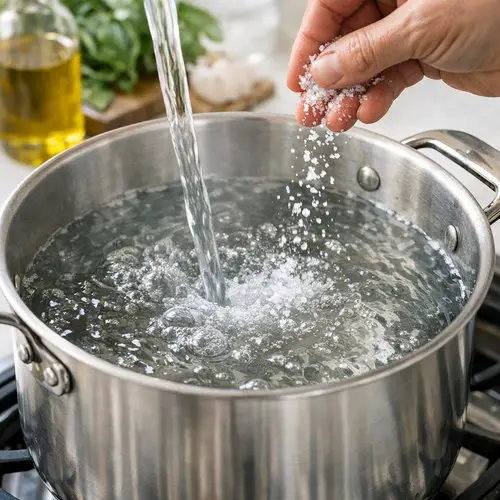
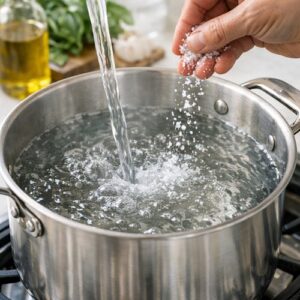
Fill a large pot about three-quarters full with cold water and add a generous pinch of sea salt—your water should taste like the sea, which is how you season pasta properly. Bring it to a rolling boil over high heat. This typically takes 8-10 minutes depending on your stove.
Add the fettuccine and stir immediately with a wooden spoon to prevent sticking. Cook according to your package directions, but taste it about a minute before the suggested time ends. You want the pasta al dente—tender but with a slight bite. This matters because you’ll be tossing it with the sauce, which gives it a few more minutes to soften.
Before draining, reserve 1 cup of the starchy cooking water in a measuring cup or small bowl. This pasta water is liquid gold—it’ll help bind your sauce to the noodles. Drain the pasta in a colander and set aside, but don’t rinse it. The starch clinging to the pasta helps the sauce cling too.
Step 2: Build the Base with Onion and Garlic
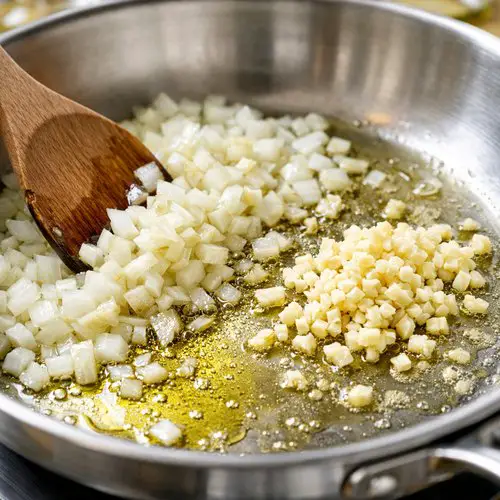
While your pasta is cooking, heat the olive oil in a large skillet (12-inch is ideal) over medium-high heat. Let it warm for about 30 seconds—you’ll see it shimmer slightly.
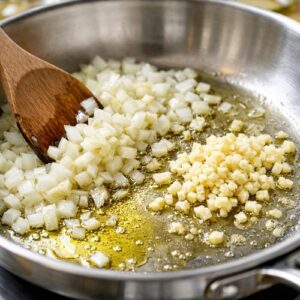
Add the finely diced onion and cook for 3-4 minutes, stirring occasionally. You’re looking for the onion to become translucent and slightly soft, with the edges just beginning to turn golden. This process, called sweating the onions, releases their natural sugars and creates a sweet, mellow base.
Add the sliced garlic and cook for another 30-45 seconds until fragrant. You’ll smell that wonderful garlic aroma—that’s your cue. Be careful not to let garlic brown, which makes it bitter. We want it soft and sweet.
Step 3: Brown the Ground Beef
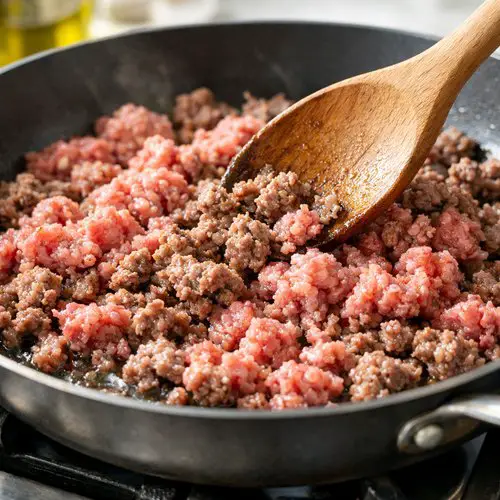
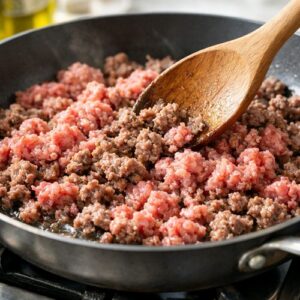
Increase the heat to medium-high and add the ground beef directly to the skillet. Using a wooden spoon or spatula, break the meat apart as it cooks. Don’t stir it constantly—let it sit for 30-45 seconds between stirs so it develops that beautiful golden-brown crust.
This takes about 4-5 minutes total. You’re finished when there’s no pink remaining and the beef has darkened to rich brown. Pour off excess fat if there’s more than 1 tablespoon pooling in the pan—you want flavor, not grease.
Step 4: Add the Mushrooms and Let Them Release Their Moisture
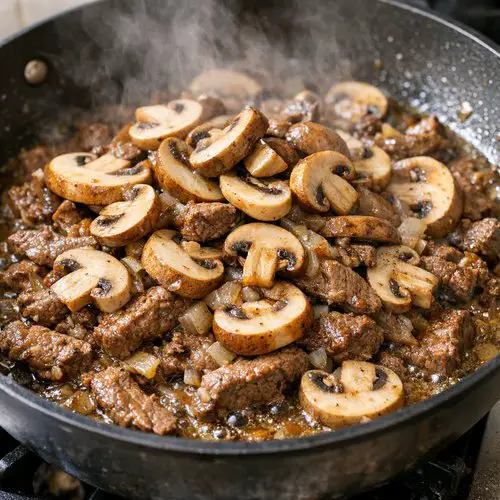
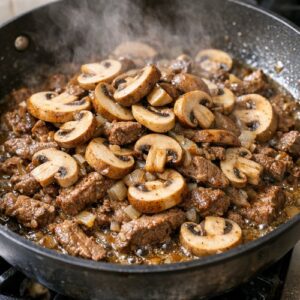
Add the sliced mushrooms to the beef mixture and stir gently to combine. Cook for 3-4 minutes without stirring too much. The mushrooms will first absorb the available liquid, then release their own moisture as they soften. You’ll notice the pan becomes more liquid—this is perfect and expected.
When the mushrooms are tender and have released their liquid, you’re ready for the next step. The color deepens slightly, and the texture becomes soft enough to cut with your spoon.
Step 5: Deglaze the Pan with Wine
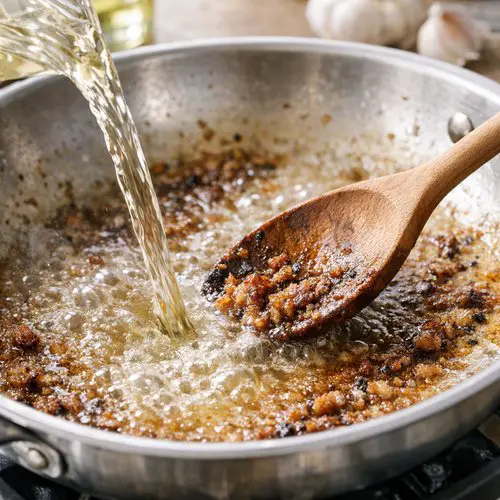
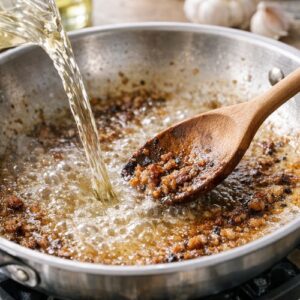
Pour the dry white wine into the skillet and immediately begin scraping the bottom with your wooden spoon. You’re lifting up all those beautiful browned bits stuck to the pan—this is called deglazing, and it’s where so much flavor lives. The wine will sizzle and steam.
Let the wine reduce for 2-3 minutes until about half the liquid has evaporated and you can barely smell the raw wine—instead, you’ll notice a mellowed, savory aroma. This concentrated liquid becomes part of your sauce.
Step 6: Add Stock and Seasonings
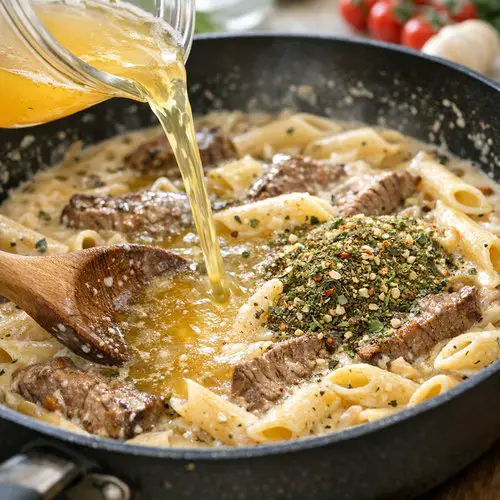
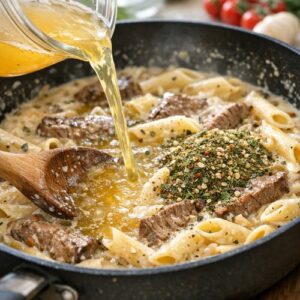
Pour in the chicken stock and sprinkle the Italian seasoning over everything. Stir well to combine. Bring the mixture to a gentle simmer over medium heat. You’re looking for small, lazy bubbles breaking the surface—not a vigorous boil.
Let it simmer for 2-3 minutes to allow the flavors to marry and the liquid to reduce slightly. This concentrates the taste and gives you a more cohesive sauce.
Step 7: Create the Creamy Sauce
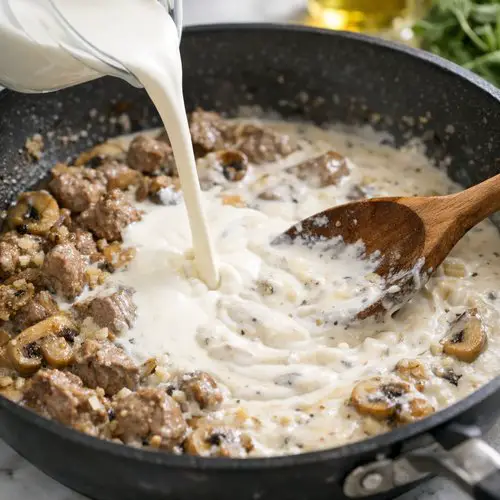
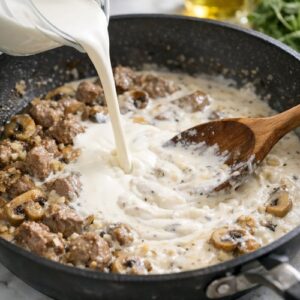
Reduce the heat to low. This is important—cream can break if the heat is too high. Pour in the heavy cream and stir gently but thoroughly to combine everything. The mixture will look luxurious and rich. Cook for 1-2 minutes over low heat, just until warmed through.
You’re not trying to thicken the cream here; you’re just bringing all the temperatures to the same level so everything melds together. The sauce should smell savory, slightly meaty, and irresistibly creamy.
Step 8: Combine Pasta with Sauce
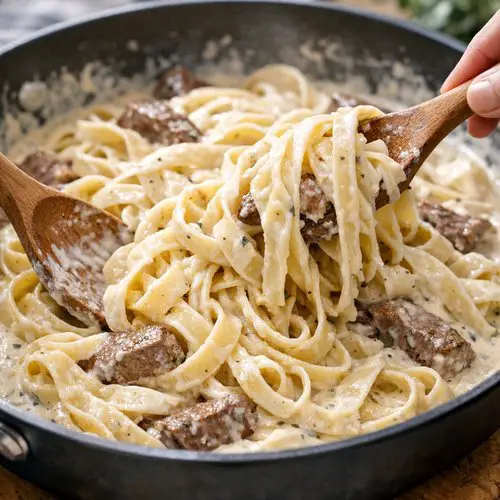
Add the cooked fettuccine directly to the cream sauce in the skillet. Using two wooden spoons, gently toss the pasta, lifting and turning it so every strand gets coated. This takes about 1-2 minutes.
The pasta will absorb some of the sauce immediately, so the mixture might look thicker than you expect. This is where your reserved pasta water comes in.
Step 9: Finish with Cheese and Consistency
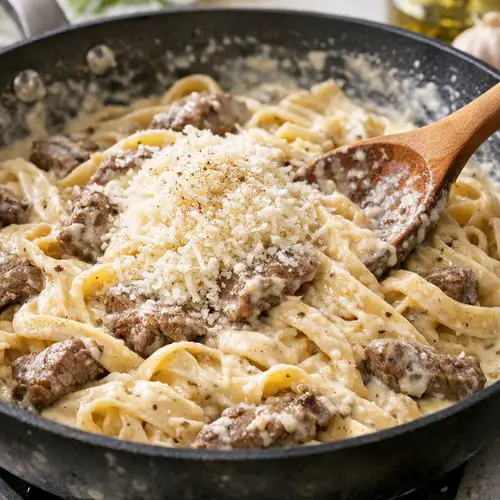
Remove the skillet from heat and add the grated Parmigiano-Reggiano cheese, along with the nutmeg. Stir gently and continuously until the cheese melts completely and incorporates into the sauce. This takes about 45-60 seconds.
The mixture might look slightly thick at this point. Begin adding your reserved pasta water, 2-3 tablespoons at a time, stirring gently. You’re looking for a sauce that clings to the pasta but flows slightly on the plate—not pasty, not soupy. Most people need about ¼ to ½ cup of the pasta water, but every stove is different.
Taste and adjust salt and pepper as needed. Remember that Parmigiano-Reggiano is already salty, so taste before adding more salt.
Step 10: Garnish and Serve Immediately
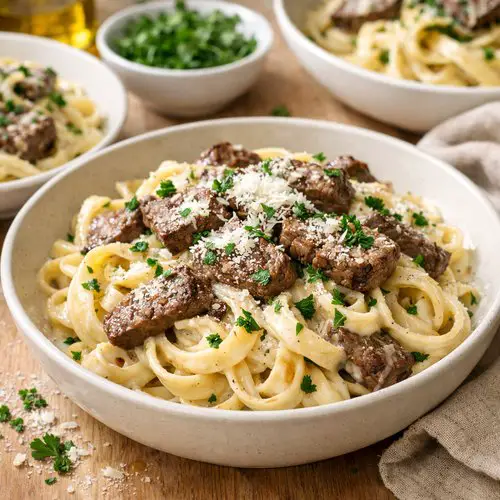
Stir in most of the fresh parsley, reserving some for garnish. Divide the pasta among four shallow bowls or plates. Top each with a small pinch of the reserved parsley and an extra grating of Parmigiano-Reggiano.
Serve immediately while the pasta is hot and the sauce is at its creamiest. This dish doesn’t hold well once plated, so have everyone ready to eat when you’re ready to serve.
Expert’s Nutritional Insight
As a registered dietitian, I want to share something important about this dish: the cream and cheese combination isn’t something to feel guilty about. Full-fat dairy contains fat-soluble vitamins like vitamin A and K2, which your body actually needs for nutrient absorption and bone health. One serving of this pasta provides approximately 18 grams of protein from the beef and cheese, making it a balanced meal when served alongside vegetables.
The key is portion awareness and balance. This recipe naturally serves four people, which means you’re getting about 65 grams of total fat per serving—but only about 30 grams are saturated. Pair it with a side salad with lemon vinaigrette or roasted broccoli, and you’ve created nutritional balance. Good food is meant to nourish both body and soul.
Make-Ahead and Meal Prep Guide
The Night Before: Dice your onion and garlic, slice your mushrooms, and store them in separate airtight containers in your refrigerator. Grate your cheese and parsley, storing each in their own container. This takes about 10 minutes and transforms your cooking time from 30 minutes to about 15.
Cooking Without Pasta: You can prepare everything except the pasta up to 4 hours ahead. Stop after Step 8 (before adding the cheese), let it cool slightly, and refrigerate in an airtight container. When ready to finish, reheat over low heat on the stovetop, add cheese, adjust consistency, and cook fresh pasta just before serving.
Storing Leftovers: This dish keeps beautifully for 3-4 days in the refrigerator in an airtight container. Reheat gently on the stovetop over low heat, adding a splash of chicken stock or milk to restore the sauce’s original consistency.
Not Recommended for Freezing: The cream-based sauce can separate when frozen and thawed. If you must freeze it, allow up to 1 month, but expect the texture to be slightly different upon reheating. It’ll still taste good, just not quite as silky.
Common Mistakes to Avoid
- Overcooking the pasta initially – This is the number-one mistake I see. Remember, you’re going to cook the pasta again with the sauce. Start checking for doneness 1 minute before the package suggests. Al dente is non-negotiable.
- Using pre-grated Parmesan – I know it’s convenient, but the anti-caking agents prevent it from melting smoothly into the sauce. Freshly grated cheese makes a textural difference you’ll immediately notice.
- Cooking the cream over high heat – This causes the cream to break and can separate into oily puddles. Keep that heat at medium or low, and your sauce will be silky every time.
- Skipping the pasta water – This is your most powerful tool for achieving the perfect sauce consistency. Don’t drain it all away, and don’t hesitate to use it. The starch is what makes everything come together.
Tips and Tricks for Success
- Toast your Italian seasoning – Sprinkle it into the hot pan with the stock for 15 seconds before adding the cream. This blooms the flavors and makes them more vibrant. It’s an extra 15 seconds that makes a noticeable difference.
- Use a microplane for nutmeg – A tiny whisper of fresh nutmeg in a cream sauce is transformative. Pre-ground nutmeg tastes dusty by comparison. If you don’t have a microplane, a fine grater works too.
- Warm your bowls – While you’re finishing the sauce, run hot water into your serving bowls, then drain before plating. Warm bowls keep the dish at the perfect temperature longer.
- Don’t rush the beef browning – Those golden-brown bits are flavor compounds developed through the Maillard reaction. They’re not negotiable. Give the beef time to develop color.
- Taste as you go – Salt and pepper need adjustment at each stage. What tastes right when you add the stock might need tweaking once you add cream. This is normal and expected.
Seasonal Variations
Spring: Replace half the mushrooms with fresh asparagus cut into 1-inch pieces. Add them when you add the mushrooms. The asparagus adds brightness and a slight herbaceous note that feels springtime-appropriate.
Summer: Stir in fresh spinach or arugula just before serving. The heat from the sauce wilts it slightly, and the peppery arugula adds complexity. Use about ½ cup loosely packed.
Fall: Add 2 tablespoons of sun-dried tomato paste when you add the stock. It deepens the flavor and creates an earthy, autumnal quality. You might also swap white wine for a light red.
Winter: Add ½ teaspoon of fresh thyme and include 2 ounces of prosciutto, diced fine, when you brown the beef. The prosciutto adds a salty, smoky note that feels warming and luxurious during colder months.
Can I Store Beef Pasta Alfredo?
This dish reheats beautifully, making it perfect for meal prep or having leftovers on hand. Let me break down storage by method and timeframe so you know exactly what to expect.
Refrigerator Storage: Allow the pasta to cool to room temperature (about 20 minutes), then transfer to an airtight container. It keeps for 3-4 days reliably. The sauce may thicken slightly as it sits, which is completely normal.
Reheating on the Stovetop: This is my preferred method because it restores the sauce to its original creamy texture. Place the pasta in a large skillet over low heat. Add 2-3 tablespoons of chicken stock or whole milk, stirring gently and continuously for 3-5 minutes until heated through and creamy again. The starch in the pasta will reabsorb the liquid.
Reheating in the Microwave: Transfer a portion to a microwave-safe bowl, add 1 tablespoon of milk or stock, cover loosely, and microwave at 50% power for 2-3 minutes, stirring halfway through. This gentler heating method prevents the cream from separating.
Freezing (Not Recommended): While you technically can freeze this dish for up to 1 month, the cream-based sauce often separates upon thawing. The texture becomes grainy rather than silky. If you must freeze, allow it to thaw completely in the refrigerator before reheating on the stovetop with extra stock.
Nutrition Information
Based on USDA nutrition database values for the ingredients in this recipe, here’s what one serving provides (recipe yields 4 servings):
- Calories: 745
- Total Fat: 42 grams
- Saturated Fat: 19 grams
- Cholesterol: 110 milligrams
- Sodium: 580 milligrams
- Total Carbohydrates: 52 grams
- Dietary Fiber: 2 grams
- Protein: 38 grams
This is a protein-rich, satisfying meal. The 38 grams of protein per serving comes from the beef, Parmesan cheese, and pasta, making it filling enough that you won’t need a large additional protein source. The carbohydrates come from the pasta and are paired with fat and protein, which slows down digestion and keeps you satisfied longer.
If you’re watching sodium, remember that Parmigiano-Reggiano is naturally salty. The 580 milligrams of sodium per serving is moderate for an entree but something to consider if you’re salt-sensitive. Taste before adding additional salt during cooking.
What Can I Serve With Beef Pasta Alfredo?
While this pasta is hearty and complete on its own, the right side dishes elevate the entire meal. I always think about balance: if the main course is rich and creamy, the sides should be fresh and bright.
- Crisp Green Salad with Lemon Vinaigrette – Toss arugula or mixed greens with lemon juice, extra virgin olive oil, salt, and pepper. The acidity cuts through the richness of the cream sauce beautifully. This is my go-to pairing.
- Roasted Broccoli with Garlic – Toss florets with olive oil, minced garlic, salt, and pepper. Roast at 425°F for about 12 minutes until the edges are crispy. The earthiness complements the beef perfectly.
- Garlic Bread – Slice a baguette lengthwise, brush with olive oil mixed with minced garlic, and toast under the broiler. It’s indulgent but wonderful for soaking up any extra sauce.
- Steamed Asparagus with Lemon – Fresh asparagus spears tossed with melted butter and fresh lemon juice add elegance and brightness to the plate.
- Simple Tomato and Basil Salad – Ripe tomatoes, fresh basil, mozzarella, olive oil, and balsamic vinegar create a Mediterranean contrast to the creamy pasta. Seasonal in summer and absolutely worth the wait.
Looking for another beefy main course that pairs beautifully with similar sides? Try our Kroll’s Corner Cheeseburger Sliders for a fun, handheld variation.
Substitutes and Modifications
- Pasta Shape – While fettuccine is traditional for Alfredo, pappardelle (wider ribbon), tagliatelle, or even penne work beautifully. The sauce clings to any of these shapes. Avoid very thin pasta like angel hair, which gets lost in the sauce.
- Ground Beef Alternative – Ground turkey (93% lean) creates a lighter version with less fat. Ground lamb adds deeper, earthier flavor if you’re feeling adventurous. Ground pork creates something closer to a traditional bolognese.
- Mushroom Swap – Use cremini, portobello, shiitake, or oyster mushrooms. Each has slightly different flavor profiles. Cremini is earthiest, shiitake is umami-forward, and oyster has a delicate, slightly sweet note.
- Heavy Cream Alternative – Half-and-half creates a lighter sauce but won’t be quite as luxurious. Greek yogurt added after removing from heat creates tanginess but requires careful handling. For dairy-free, try full-fat coconut milk, though the flavor profile changes significantly.
- Wine Substitution – Can’t use alcohol? Swap the white wine for additional chicken stock plus 1 tablespoon of lemon juice. The acidity matters for balance, so don’t skip that lemon.
- Cheese Options – Pecorino Romano is sharper and more peppery. Asiago adds nuttiness. Gruyère creates a more complex flavor. Always use freshly grated, and reduce the amount slightly if you choose a sharper cheese.
Beef Pasta Alfredo Recipe
Ingredients
- 1 medium yellow onion finely diced, about ¾ cup
- 1 pound ground beef 85/15 blend is ideal for texture and richness
- 2 large garlic cloves sliced thin so they soften quickly
- ¼ teaspoon freshly grated nutmeg (just a whisper
- 1 teaspoon Italian seasoning or combine ¼ teaspoon each of oregano, basil, thyme, and marjoram
- Fresh flat-leaf parsley about ½ cup loosely packed, divided for cooking and garnish
- Sea salt and freshly ground black pepper to taste throughout cooking
- 1 cup heavy cream full-fat is essential for authentic texture and flavor
- 1 cup fresh mushrooms cremini or white button, sliced about ¼-inch thick
- 8 ounce fettuccine pasta dried or fresh, both work beautifully
- 1 tablespoon extra virgin olive oil for cooking the base without burning
- ½ cup low-sodium chicken stock or vegetable broth as alternative
- ⅓ cup freshly grated Parmigiano-Reggiano cheese never the pre-grated type, which contains anti-caking agents
- ⅓ cup dry white wine sauvignon blanc or pinot grigio work well
Instructions
Step 1: Start Your Pasta Water and Cook the Pasta
- Fill a large pot about three-quarters full with cold water and add a generous pinch of sea salt—your water should taste like the sea, which is how you season pasta properly. Bring it to a rolling boil over high heat. This typically takes 8-10 minutes depending on your stove. Add the fettuccine and stir immediately with a wooden spoon to prevent sticking. Cook according to your package directions, but taste it about a minute before the suggested time ends. You want the pasta al dente—tender but with a slight bite. This matters because you'll be tossing it with the sauce, which gives it a few more minutes to soften. Before draining, reserve 1 cup of the starchy cooking water in a measuring cup or small bowl. This pasta water is liquid gold—it'll help bind your sauce to the noodles. Drain the pasta in a colander and set aside, but don't rinse it. The starch clinging to the pasta helps the sauce cling too.
Step 2: Build the Base with Onion and Garlic
- While your pasta is cooking, heat the olive oil in a large skillet (12-inch is ideal) over medium-high heat. Let it warm for about 30 seconds—you'll see it shimmer slightly. Add the finely diced onion and cook for 3-4 minutes, stirring occasionally. You're looking for the onion to become translucent and slightly soft, with the edges just beginning to turn golden. This process, called sweating the onions, releases their natural sugars and creates a sweet, mellow base. Add the sliced garlic and cook for another 30-45 seconds until fragrant. You'll smell that wonderful garlic aroma—that's your cue. Be careful not to let garlic brown, which makes it bitter. We want it soft and sweet.
Step 3: Brown the Ground Beef
- Increase the heat to medium-high and add the ground beef directly to the skillet. Using a wooden spoon or spatula, break the meat apart as it cooks. Don't stir it constantly—let it sit for 30-45 seconds between stirs so it develops that beautiful golden-brown crust. This takes about 4-5 minutes total. You're finished when there's no pink remaining and the beef has darkened to rich brown. Pour off excess fat if there's more than 1 tablespoon pooling in the pan—you want flavor, not grease.
Step 4: Add the Mushrooms and Let Them Release Their Moisture
- Add the sliced mushrooms to the beef mixture and stir gently to combine. Cook for 3-4 minutes without stirring too much. The mushrooms will first absorb the available liquid, then release their own moisture as they soften. You'll notice the pan becomes more liquid—this is perfect and expected. When the mushrooms are tender and have released their liquid, you're ready for the next step. The color deepens slightly, and the texture becomes soft enough to cut with your spoon.
Step 5: Deglaze the Pan with Wine
- Pour the dry white wine into the skillet and immediately begin scraping the bottom with your wooden spoon. You're lifting up all those beautiful browned bits stuck to the pan—this is called deglazing, and it's where so much flavor lives. The wine will sizzle and steam. Let the wine reduce for 2-3 minutes until about half the liquid has evaporated and you can barely smell the raw wine—instead, you'll notice a mellowed, savory aroma. This concentrated liquid becomes part of your sauce.
Step 6: Add Stock and Seasonings
- Pour in the chicken stock and sprinkle the Italian seasoning over everything. Stir well to combine. Bring the mixture to a gentle simmer over medium heat. You're looking for small, lazy bubbles breaking the surface—not a vigorous boil. Let it simmer for 2-3 minutes to allow the flavors to marry and the liquid to reduce slightly. This concentrates the taste and gives you a more cohesive sauce.
Step 7: Create the Creamy Sauce
- Reduce the heat to low. This is important—cream can break if the heat is too high. Pour in the heavy cream and stir gently but thoroughly to combine everything. The mixture will look luxurious and rich. Cook for 1-2 minutes over low heat, just until warmed through. You're not trying to thicken the cream here; you're just bringing all the temperatures to the same level so everything melds together. The sauce should smell savory, slightly meaty, and irresistibly creamy.
Step 8: Combine Pasta with Sauce
- Add the cooked fettuccine directly to the cream sauce in the skillet. Using two wooden spoons, gently toss the pasta, lifting and turning it so every strand gets coated. This takes about 1-2 minutes. The pasta will absorb some of the sauce immediately, so the mixture might look thicker than you expect. This is where your reserved pasta water comes in.
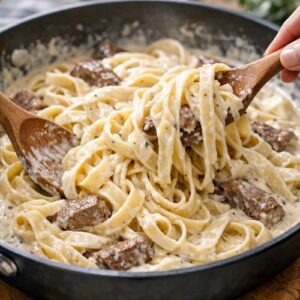
Step 9: Finish with Cheese and Consistency
- Remove the skillet from heat and add the grated Parmigiano-Reggiano cheese, along with the nutmeg. Stir gently and continuously until the cheese melts completely and incorporates into the sauce. This takes about 45-60 seconds. The mixture might look slightly thick at this point. Begin adding your reserved pasta water, 2-3 tablespoons at a time, stirring gently. You're looking for a sauce that clings to the pasta but flows slightly on the plate—not pasty, not soupy. Most people need about ¼ to ½ cup of the pasta water, but every stove is different. Taste and adjust salt and pepper as needed. Remember that Parmigiano-Reggiano is already salty, so taste before adding more salt.
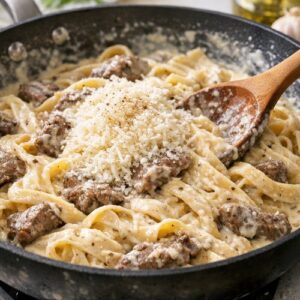
Step 10: Garnish and Serve Immediately
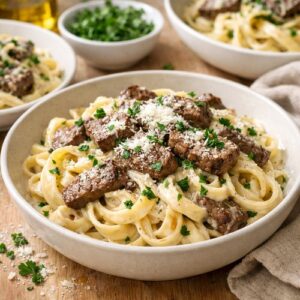
- Stir in most of the fresh parsley, reserving some for garnish. Divide the pasta among four shallow bowls or plates. Top each with a small pinch of the reserved parsley and an extra grating of Parmigiano-Reggiano. Serve immediately while the pasta is hot and the sauce is at its creamiest. This dish doesn't hold well once plated, so have everyone ready to eat when you're ready to serve.
Notes
FAQs About Beef Pasta Alfredo
Can I use fresh pasta instead of dried?
Absolutely. Fresh pasta cooks much faster—usually 3-4 minutes instead of 8-10. Taste it early and often. Fresh pasta is more delicate and can overcook quickly. You’ll still want to reserve pasta water and follow the same technique. Fresh pasta often has more surface area, so it absorbs the sauce slightly differently, but the end result is wonderful.
Why did my sauce separate or become grainy?
This happens when cream is heated too quickly or when cold ingredients hit hot cream suddenly. The milk solids and fat separate instead of emulsifying together. Prevention is easy: keep your heat at medium or low throughout. Add cold cheese or stock slowly and stir gently. If this happens, remove from heat and whisk vigorously while slowly adding a splash of warm stock. Usually, this brings it back together.
Can I make this dish ahead and reheat it?
Yes, with caveats. I recommend cooking everything except combining the pasta with the sauce. Stop after browning the beef and adding the cream sauce. Cool this component, refrigerate for up to 4 hours, then reheat gently and add freshly cooked pasta. This prevents the pasta from absorbing too much liquid and becoming mushy. If you must store the complete dish, follow the reheating instructions in the storage section.
Is there a way to make this less heavy or creamy?
You have options. Use half cream and half chicken stock for a lighter version. Replace some or all heavy cream with Greek yogurt or cottage cheese blended smooth (add after removing from heat). Increase the vegetables—add spinach, peas, or zucchini—which adds volume and nutrition without additional cream. Use a leaner beef like 93% lean ground turkey. All of these lighten the dish while maintaining flavor.
What’s the difference between this and traditional Alfredo?
Traditional Roman Alfredo contains only butter, Parmesan cheese, pasta water, and pasta. It’s minimalist and beautiful. This version adds ground beef and mushrooms, making it more of a modern comfort dish. Some might call this a “Beef Alfredo” rather than pure Alfredo, which is a fair distinction. If you prefer traditional Alfredo, simply omit the beef and mushrooms, halve the cream, and increase the butter to ¼ cup. It’s equally delicious and takes about 15 minutes.
More Recipes You’ll Love
- Jalapeno Corn Chowder Recipe – Another creamy, comforting main dish that’s equally impressive and surprisingly simple.
- Jar Roux Gumbo Recipe – If you love rich, layered flavors and don’t mind a slightly longer cook time, this Louisiana classic is unforgettable.
- Kings Hawaiian Buffalo Chicken Sliders – Looking for something completely different but equally indulgent? These sliders are absolutely crave-worthy.
- This Homemade Crockpot Recipe – Worth adding to your recipe collection.
- My Favorite Flank Dish – Worth adding to your recipe collection.
- This Easy Ground Recipe – Worth adding to your recipe collection.
Final Thoughts
This beef pasta alfredo recipe came into my kitchen when I needed it most—when I wanted to serve something genuinely special without hours of work or stress. Every time I make it, I’m reminded that good food doesn’t have to be complicated. It just needs good ingredients, proper technique, and a willingness to taste and adjust as you go.
Your kitchen probably has everything you need right now. Your family is going to gather around this pasta the same way mine did, amazed that you created something this delicious in 30 minutes or less. That’s the real magic here—not just the food, but the joy it creates.
Good food is a good mood!

My name is Lori Walker. I’m a registered dietitian, food blogger and food enthusiast. I share easy healthy, delicious recipes on my blog and review necessary kitchen items. The recipes I share take less… Read more