This post contains affiliate links. As an Amazon Associate I earn from qualifying purchases.
Creamy Mashed Potatoes With Parmesan Recipe (Works for Every Diet!)
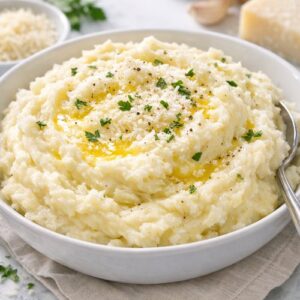
Whether you’re following keto, eating plant-based, or navigating gluten-free cooking, you don’t have to miss out on silky, Parmesan-studded mashed potatoes. I created this recipe after my sister went vegan five years ago—I was determined she wouldn’t sit through another holiday dinner without the comfort food she loved. That single moment of problem-solving sparked my passion for building recipes that work across dietary needs without sacrificing one ounce of joy. This mashed potato recipe has become my go-to side, and I’m thrilled to share how I’ve adapted it for every table.
The Ultimate Mashed Potatoes With Parmesan Recipe for Every Diet (Keto, Vegan, Gluten-Free)
I remember the first time my sister asked me to make her version—I’ll be honest, I panicked. How could mashed potatoes work without butter and cream? But testing in my own kitchen taught me something crucial: the real magic isn’t the dairy. It’s technique, seasoning, and understanding how each ingredient actually behaves. Now I make this recipe in four distinct ways, and each one tastes distinctly delicious on its own terms.
My clinical background as a registered dietitian taught me that dietary restrictions don’t mean flavor restrictions. When you understand the nutritional role each ingredient plays, you can swap confidently and create dishes that feel indulgent regardless of what you’re avoiding. These mashed potatoes prove exactly that.
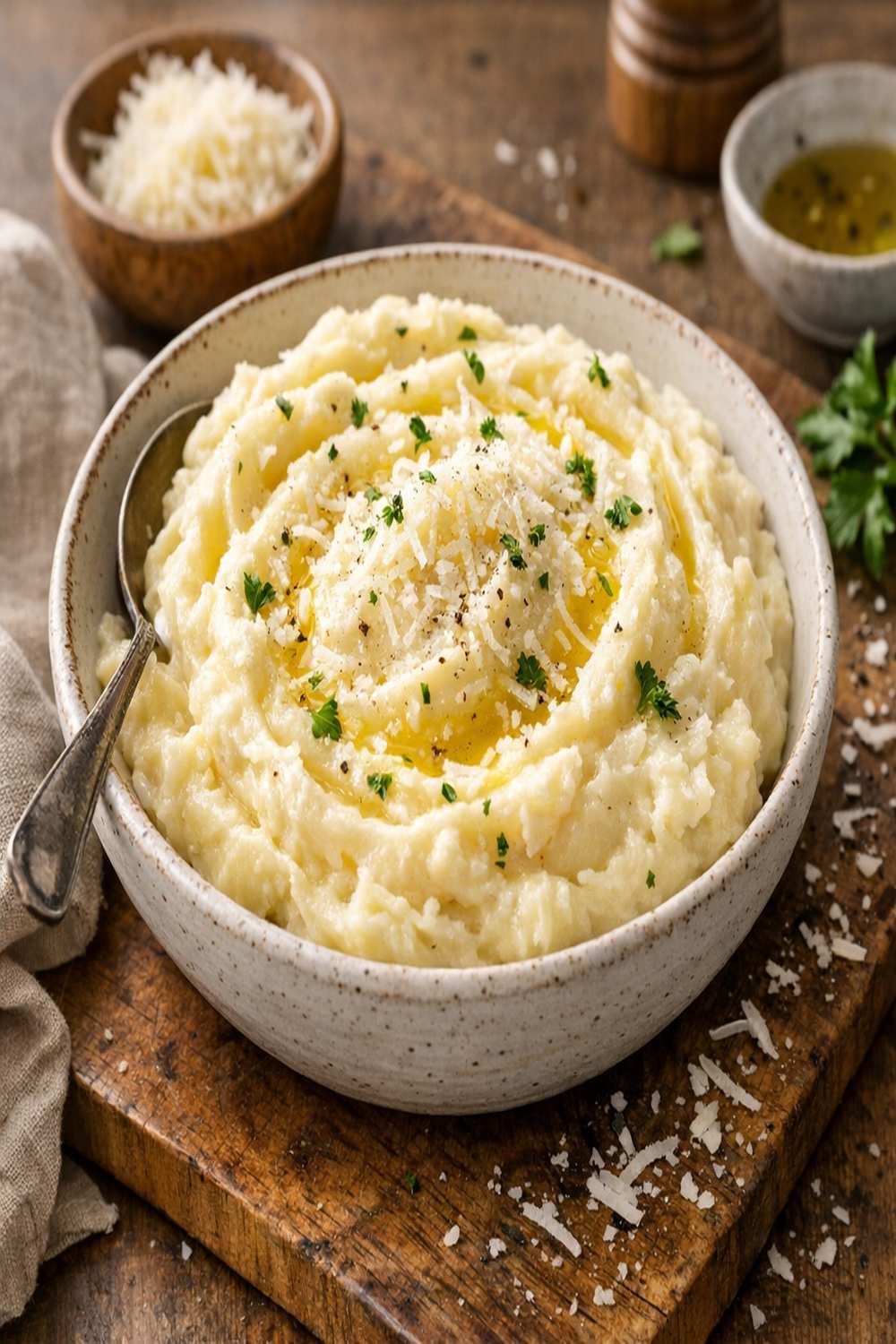
Which Version Is Right for You?
Before you start cooking, let me walk you through each dietary approach so you can pick the one that fits your table tonight. Each version uses the same foundational technique—that’s what makes this recipe so reliable—but the swaps create noticeably different (and equally delicious) results.
- Keto version – Lower-carb potato varieties like cauliflower blends keep you in ketosis while maintaining that creamy, fork-tender texture. You’ll use full-fat cream and butter without hesitation, and the Parmesan adds umami depth that makes this feel luxurious.
- Vegan version – Cashew cream and olive oil replace dairy entirely, creating richness that honestly rivals the traditional approach. Nutritional yeast brings a savory, cheese-like note that makes you forget what you’re missing.
- Gluten-free version – Here’s the good news: potatoes are naturally gluten-free, so this is your most straightforward adaptation. Just verify your butter and cheese come from certified gluten-free sources, and you’re golden.
- Dairy-free version – Coconut cream or oat cream steps in for heavy cream, and dairy-free butter replaces the traditional kind. The Parmesan alternative made from seeds and nutritional yeast brings that savory punch you’re craving.
The Base Ingredients (Works for All Versions)
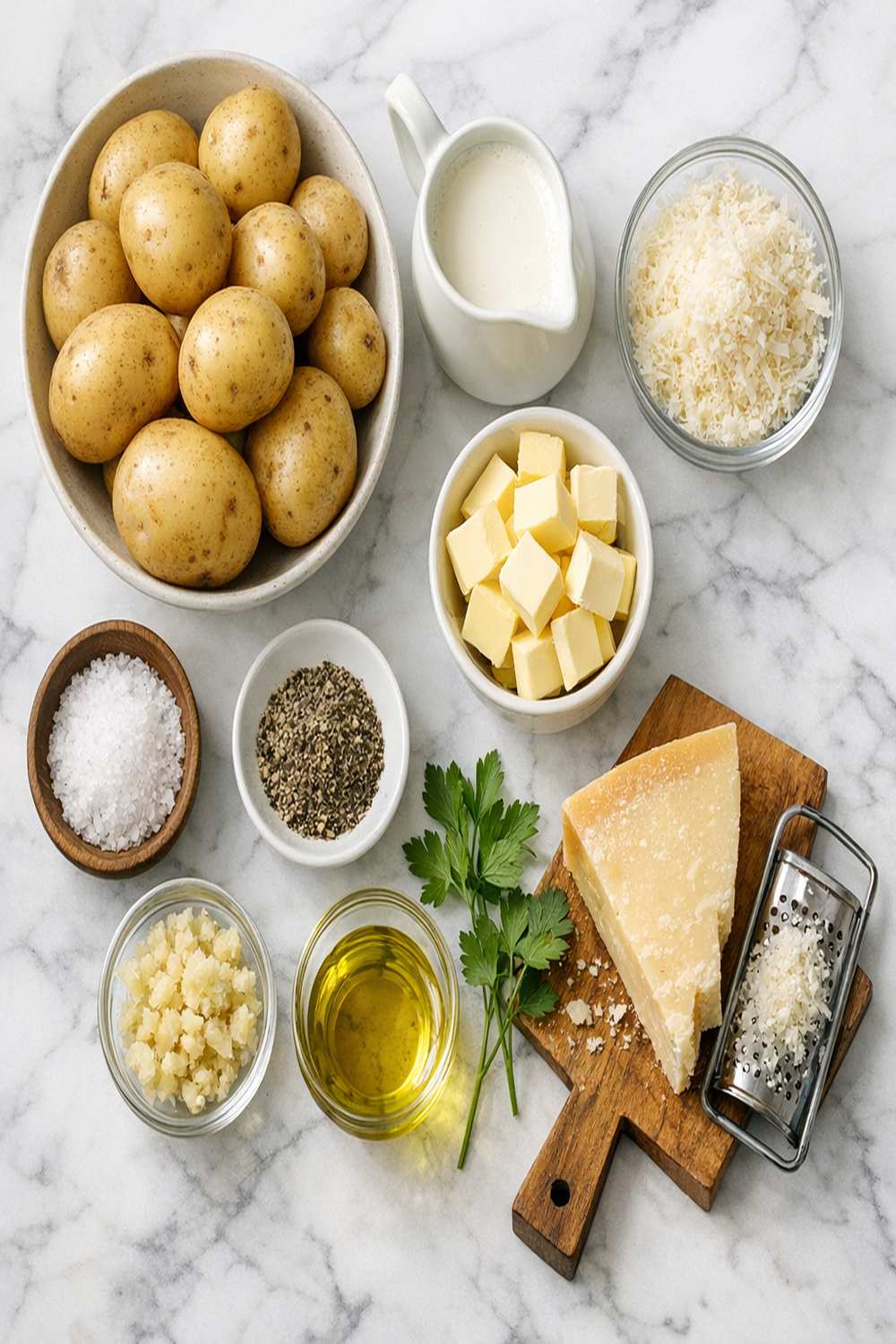
These core ingredients form the foundation for every version of this recipe. The beauty here is that potatoes themselves are the star—everything else is supporting player. I always choose yellow potatoes because their waxy texture holds up beautifully during mashing without turning gluey, which is a mistake I see constantly in home kitchens.
This recipe makes approximately 6 generous servings as a side dish, or about 4 hearty portions if you’re serving it as a main alongside a simple salad.
- ¾ cup heavy cream (35% fat content creates the ideal richness without breaking)
- ¾ cup grated Parmesan cheese (freshly grated, not pre-shredded with anti-caking agents)
- 3 pounds yellow potatoes (waxy varieties hold texture better than starchy russets)
- 2 cloves garlic (minced finely, optional but recommended for depth)
- 6 tablespoons unsalted butter (room temperature, so it incorporates smoothly)
- ¼ teaspoon ground nutmeg (just a whisper—trust me on this)
- ½ teaspoon white pepper (freshly ground if possible, milder than black pepper)
- 1½ teaspoons kosher salt (fine sea salt works too, use slightly less)
Dietary Substitution Chart
I’ve tested every swap listed here multiple times in my kitchen using standard equipment. These aren’t theoretical—they’re what actually works when you’re cooking at home. The ratios matter, so I’ve included exact measurements for each substitution.
- Unsalted Butter (6 tablespoons) -> Keto: use grass-fed butter as-is | Vegan: 6 tablespoons refined coconut oil or vegan butter | Gluten-Free: use real butter as-is | Dairy-Free: 6 tablespoons dairy-free butter or olive oil
- Yellow Potatoes (3 pounds) -> Keto: use 2 pounds potatoes mixed with 1 pound cauliflower florets | Vegan: use all potatoes as-is | Gluten-Free: use all potatoes as-is | Dairy-Free: use all potatoes as-is
- Heavy Cream (¾ cup) -> Keto: use full-fat cream as-is | Vegan: ¾ cup raw cashew cream (soaked and blended) or store-bought cashew cream | Gluten-Free: use heavy cream as-is | Dairy-Free: ¾ cup full-fat coconut cream or oat cream
- Parmesan Cheese (¾ cup) -> Keto: use aged Parmesan as-is | Vegan: ¾ cup nutritional yeast blended with ¼ cup ground cashews and 1 teaspoon salt | Gluten-Free: verify your cheese is certified | Dairy-Free: ¾ cup nutritional yeast mixed with ¼ cup ground sunflower seeds
How to Make Mashed Potatoes With Parmesan Recipe Your Way
The technique stays consistent whether you’re cooking traditional or dietary-adapted versions. What changes is the ingredient swap and one or two timing tweaks. I always cook by feel rather than strict timers—that’s the real secret to creamy results every single time.
Step 1: Prepare and Cook Your Potatoes
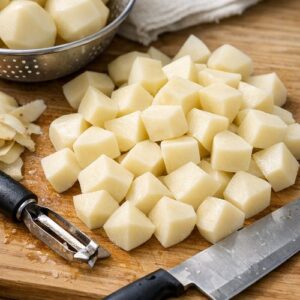
Wash your potatoes under cool running water and peel them using a vegetable peeler. Cut them into even quarter-sized pieces—uniformity matters because it ensures everything cooks at the same rate. Place your prepared potatoes into a large pot and cover with cold water until they’re submerged by about an inch.
Dietary note: If you’re making the keto version with cauliflower, add the cauliflower florets to the same pot for the last 8 minutes of cooking time—they cook faster than potatoes and benefit from starting later.
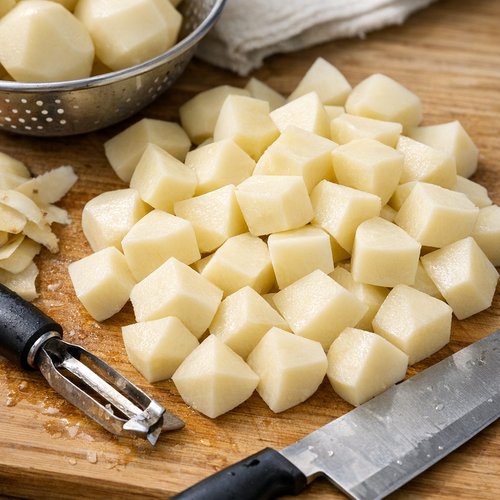
Bring the water to a rolling boil over high heat. Once boiling, reduce your heat to a gentle simmer. Cook for 10 to 15 minutes, testing with a fork after 10 minutes. You’re looking for potatoes that are completely tender when pierced—no resistance whatsoever.
Step 2: Drain and Return to the Pot
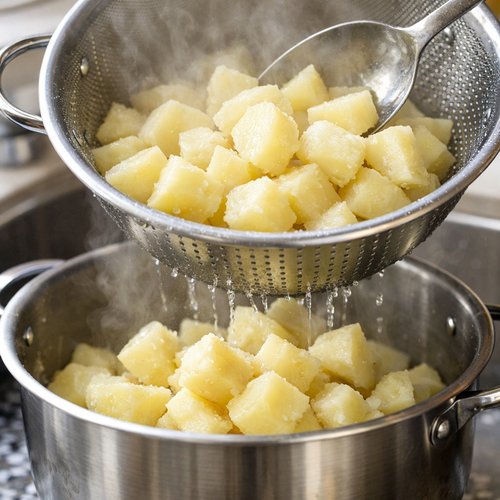
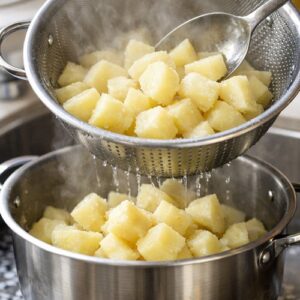
Set a colander in your sink and carefully pour the potatoes through it, allowing all the water to drain completely. Return the hot, drained potatoes to your still-warm pot. This is crucial—the residual heat helps everything incorporate smoothly.
Let the potatoes sit in the pot for about one minute before moving to the next step. This allows excess steam to escape, preventing waterlogged results.
Step 3: Add Fat and Cream, Begin Mashing
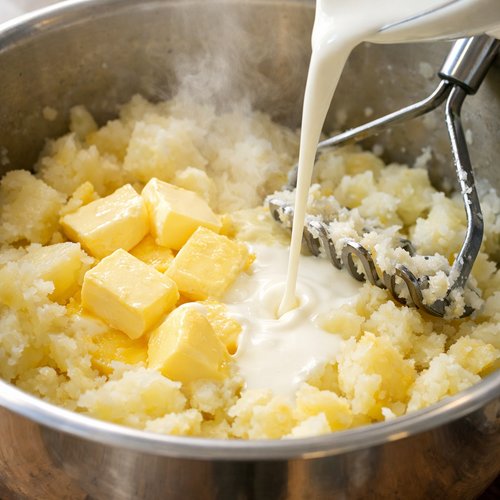
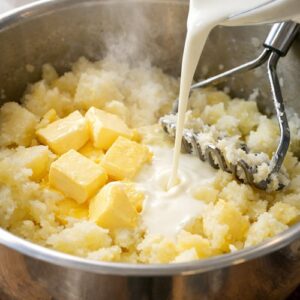
Add your butter (or dairy-free/vegan substitute) directly to the hot potatoes, along with your cream choice. If using vegan cashew cream, make sure it’s at room temperature or slightly warm—cold cream will shock the hot potatoes and create clumps.
Expert’s Nutritional Tip: The combination of starch (potatoes) with fat (butter and cream) creates what nutritionists call a “complete satiety package.” The fat slows digestion of the carbohydrates, which means steadier blood sugar and longer-lasting fullness. This is why these mashed potatoes feel satisfying even in smaller portions.
Using a traditional potato masher (not a food processor—that creates gluey texture), begin mashing with firm, downward strokes. Work methodically across the entire pot. You’re breaking down the potato structure without overworking the starches.
Step 4: Test Consistency and Adjust
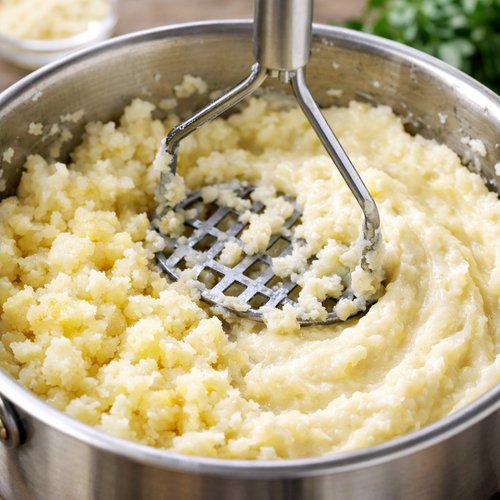
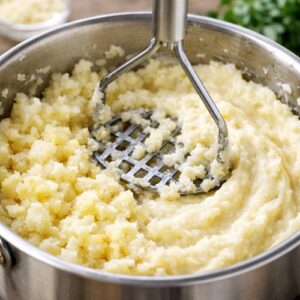
After about two minutes of mashing, pause and assess. Do you prefer chunky texture or silky-smooth? If you want smoother results, continue mashing for another minute. If you prefer some texture, stop here.
If your potatoes seem too thick: Add additional cream one tablespoon at a time, stirring gently between additions. Don’t add too much—you want them creamy, not soup-like.
Vegan and dairy-free note: Cashew cream and coconut cream are thicker than dairy cream, so you may need one or two extra tablespoons of liquid to achieve the same consistency as traditional versions.
Step 5: Season Generously
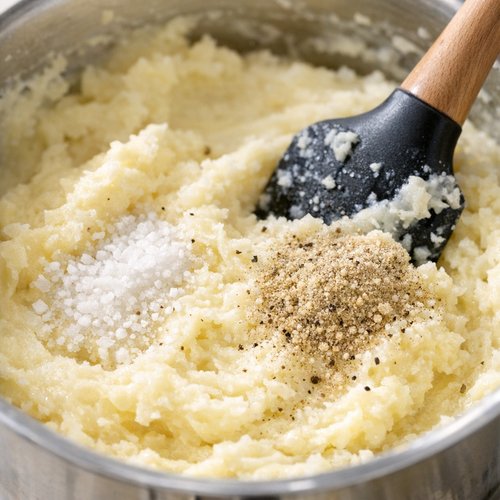
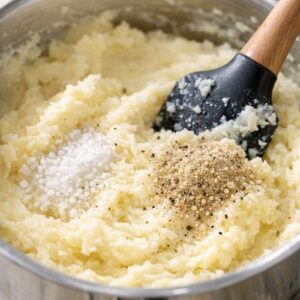
Add your kosher salt and white pepper now. Taste as you go—I typically add the salt, stir, taste, then adjust. White pepper is milder and less assertive than black pepper, which is why I prefer it here, but use what you have on hand.
Add your minced garlic and the whisper of nutmeg. These two ingredients elevate everything without announcing themselves. You should taste the potato, enriched and savory, but not identify the spices individually.
Gluten-free note: All of these seasonings are naturally gluten-free, so you’re in the clear here.
Step 6: Add Cheese in Two Stages
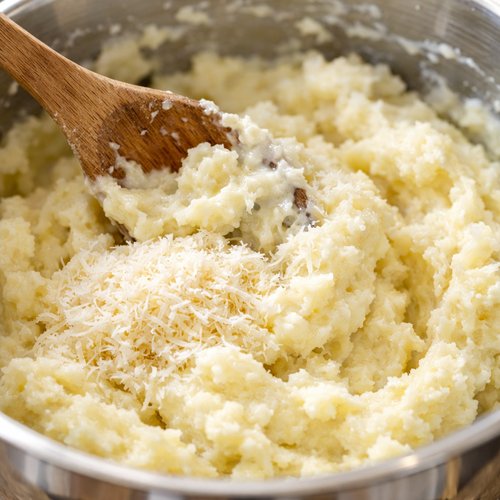
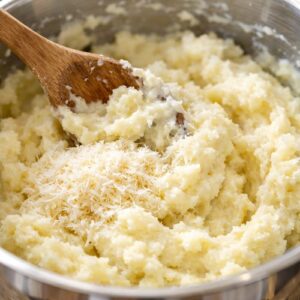
This is where technique really matters. Add half your cheese (about ⅜ cup) and stir vigorously until completely combined. The residual heat from the potatoes will melt the cheese and incorporate it seamlessly.
Add the remaining cheese and use just a few quick, gentle folds—don’t over-stir. This creates a lovely marbled effect if you’re using a dairy-free cheese alternative, and preserves the fresh, bright flavor of the cheese you just added.
Important: Don’t over-fold once the second cheese addition goes in. You want some distinct cheese texture remaining, not a homogenized mixture.
Step 7: Serve Immediately
Transfer to your serving dish right away while everything is hot and creamy. If you need to hold these for a few minutes, cover loosely with aluminum foil and set aside—they’ll stay warm for about 15 minutes without drying out.
Make-ahead note: If you’re preparing these earlier in the day, reheat gently in a pot over low heat with a splash of cream or warm milk, stirring occasionally. Never use a microwave, which creates uneven, gluey texture.
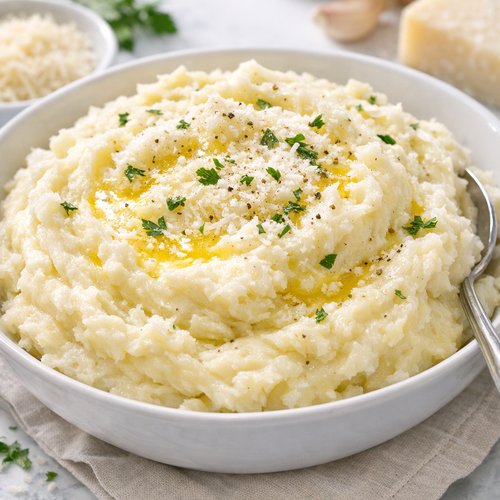
Nutrition Comparison Across Versions
Here’s the honest breakdown per serving (based on 6 servings per batch), using USDA nutritional database references. These numbers help you make informed choices about which version fits your goals.
- Traditional Version: 285 calories | 18g fat | 26g carbohydrates | 2g fiber | 8g protein | 420mg sodium
- Keto Version (potato-cauliflower blend): 195 calories | 16g fat | 12g carbohydrates | 2g fiber | 7g protein | 410mg sodium
- Vegan Version (cashew cream, coconut oil): 310 calories | 22g fat | 26g carbohydrates | 2g fiber | 6g protein | 380mg sodium
- Gluten-Free Version: 285 calories | 18g fat | 26g carbohydrates | 2g fiber | 8g protein | 420mg sodium (identical to traditional)
- Dairy-Free Version (oat cream, dairy-free butter): 265 calories | 17g fat | 27g carbohydrates | 2.5g fiber | 5g protein | 390mg sodium
The keto version is your lowest-carb option, cutting carbs nearly in half while maintaining satisfying fat content. The vegan version is highest in fat because cashews and coconut oil are calorie-dense, but they provide plant-based omega-3 and medium-chain triglycerides. All versions are naturally gluten-free when made with certified ingredients.
How Each Version Tastes Different
I’m going to be completely honest with you here, because I believe you deserve the truth about dietary swaps—not cheerful fiction about them tasting identical.
Traditional version: This is your baseline. Rich, buttery, with the umami punch of real Parmesan. Creamy, luxurious, familiar. This is comfort food at its most classic.
Keto version: The cauliflower adds a subtle earthiness and slightly lighter texture. The cauliflower doesn’t disappear—it adds character. If you’re doing keto, you already expect different flavor profiles, and this one is genuinely delicious within that framework. The Parmesan shines even brighter when you’re not eating carbs at every other dish.
Vegan version: Cashew cream creates a silky, slightly sweet undertone. The nutritional yeast brings savory depth that honestly rivals dairy cheese. Some people prefer this version over the traditional one—it’s that good. Expect a slightly lighter mouthfeel and a more delicate flavor.
Gluten-free version: Tastes identical to traditional because it basically is. If your ingredients are certified, there’s literally no difference. This one’s a win.
Dairy-free version: Oat cream is lighter than coconut cream, creating a more delicate texture. You don’t get the same heavy richness as traditional or dairy-free butter versions, but you get something creamy and genuinely tasty. The nutritional yeast-seed mixture creates pleasant savory notes.
Can I Store Mashed Potatoes With Parmesan Recipe?
Yes, and I have a detailed system I’ve developed from years of meal prep. The key is storing them properly and reheating gently.
Refrigerator Storage: Transfer cooled mashed potatoes to an airtight container. They’ll keep for 3 to 4 days in the refrigerator. All versions store equally well at this stage.
Freezer Storage: Yes, you can freeze these, and I do it regularly. Spread cooled potatoes into a flat freezer container and freeze for up to 2 months. The vegan version actually freezes beautifully because the cashew cream doesn’t separate like dairy cream sometimes does.
Reheating from Refrigerator: Place in a heavy-bottomed pot over low heat. Add 2 to 3 tablespoons of your original cream or milk (use the same version—don’t mix dairy and non-dairy). Stir gently every minute or so until warmed through, about 5 to 8 minutes. Never use high heat, which breaks down the potatoes and creates gluey texture.
Reheating from Frozen: Allow to thaw in the refrigerator overnight, then reheat using the method above. If you’re in a hurry, you can reheat frozen potatoes directly over very low heat for 12 to 15 minutes, stirring frequently and adding cream gradually.
Vegan and dairy-free versions: These actually reheat more smoothly than traditional versions because plant-based creams don’t separate the way dairy cream sometimes does. You’ll often find they taste even better the next day.
What to Serve With Mashed Potatoes With Parmesan Recipe?
I always build my menu around these potatoes because they’re versatile enough to complement nearly any protein. Here’s what works beautifully across all dietary versions.
The savory depth of these potatoes makes them the perfect side for rich proteins. They’re hearty enough to feel like a complete meal when paired thoughtfully, yet elegant enough for holiday tables. I’ve linked a few of my favorite pairings below that work across dietary needs.
- Skillet Chicken Bacon White Wine Sauce Recipe – Works beautifully with all versions. The cream sauce and Parmesan potato complement each other elegantly.
- Herb-crusted lamb chops – A classic pairing. The mint and herbs brighten the richness of the potatoes. For vegan and dairy-free tables, serve your version of these potatoes alongside grilled vegetables and the lamb.
- Lamb Crusted – This elegant preparation pairs perfectly with traditional and gluten-free versions. Vegan and dairy-free diners can enjoy this with their adapted potatoes.
- Slow-roasted beef brisket – The umami in both the beef and the Parmesan creates magic. Serve this alongside a bright green salad for balance.
- Roasted vegetables and hearty greens – If you’re building a vegetarian plate, these potatoes become your protein-rich component. Pair with Sweet Potato Casserole for a stunning fall dinner.
- Fresh fish or seafood – Pan-seared salmon or white fish benefits from the richness these potatoes provide. The Parmesan doesn’t compete with delicate fish flavors—it supports them.
Common Mistakes to Avoid
I see these happen regularly in home kitchens, and I know how frustrating they are. Here’s what actually matters:
Mistake #1: Using a food processor instead of a masher. Food processors overwork the starch in potatoes, creating a gluey, unpleasant texture. Stick with a traditional potato masher or a ricer—these tools create light, fluffy results without the gluten-like gumminess. I learned this lesson the hard way during my first month of recipe testing.
Mistake #2: Adding cold cream or butter. Cold dairy ingredients shock the hot potatoes and create lumps that won’t incorporate smoothly. Bring both to room temperature before you start mashing. If you forget, let them sit in the warm pot for one minute before stirring in.
Mistake #3: Oversalting before tasting. Potatoes need more salt than you’d think, but you want to taste as you season. What seems underseasoned while hot can taste overly salty when the dish cools slightly. Add salt gradually, taste, then adjust.
Mistake #4: Skipping the nutmeg. Just a whisper—¼ teaspoon for a full batch—transforms these from “good” to “why does this taste so incredible?” The nutmeg doesn’t announce itself; it deepens the potato flavor and adds a complexity that makes people ask for the recipe.
Seasonal Variations
I adapt this recipe throughout the year depending on what’s inspiring my kitchen and what my guests need.
Fall and Winter: Add roasted garlic (roast 2 whole heads at 400°F for 35 minutes, then squeeze out the soft cloves), crispy sage leaves, and a pinch of thyme. This version feels like holiday comfort.
Spring: Stir in fresh dill, minced chives, and a touch of lemon zest after the potatoes finish mashing. The brightness cuts through the richness beautifully. This version pairs perfectly with fresh fish.
Summer: Mix in roasted garlic, fresh basil, and a whisper of truffle oil after plating. It sounds fancy, but it’s genuinely simple and elevates grilled vegetables and light proteins.
For Vegetarian/Vegan Plates: Add roasted mushrooms (any variety) and crispy thyme during the final folding stage. The umami from mushrooms mimics the savory depth that Parmesan provides in traditional versions.
Make-Ahead Guide
I cook these for holiday dinners, and timing is everything. Here’s my professional meal-prep system that I’ve refined over years of family gatherings.
Day Before (or Up to 2 Days Ahead): Cook your potatoes completely through Step 4 (consistency testing). Cool to room temperature, transfer to an airtight container, and refrigerate. The next day, reheat gently over low heat with a splash of cream, then proceed with seasoning and cheese additions. This saves you 20 minutes of active cooking time on the busy day itself.
2 Hours Before Serving: If you’re not doing the overnight prep, you can cook the potatoes completely (all steps through Step 7) up to 2 hours ahead. Transfer to a slow cooker set on the “warm” setting with the lid loosely placed. Stir every 20 minutes. They’ll hold beautifully without drying out.
30 Minutes Before Serving: At minimum, you can peel and cut your potatoes ahead of time. Place them in a bowl of cold water and refrigerate. They’ll stay fresh for up to 8 hours this way. This cuts active cooking time down to 20 minutes.
The Secret Timing Detail: Always add the cheese during the last 5 minutes before serving—never during the make-ahead stages. Cheese flavors flatten during reheating. If you’re doing full make-ahead, skip the cheese, refrigerate, reheat, then add cheese fresh. Your guests will taste the difference.
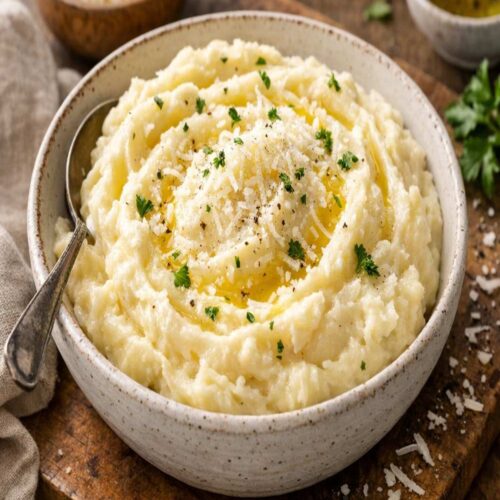
Mashed Potatoes With Parmesan Recipe
Ingredients
- ¾ cup heavy cream 35% fat content creates the ideal richness without breaking
- ¾ cup grated Parmesan cheese freshly grated, not pre-shredded with anti-caking agents
- 3 pound yellow potatoes waxy varieties hold texture better than starchy russets
- 2 clove garlic minced finely, optional but recommended for depth
- 6 tablespoon unsalted butter room temperature, so it incorporates smoothly
- ¼ teaspoon ground nutmeg (just a whisper
- ½ teaspoon white pepper freshly ground if possible, milder than black pepper
- 1½ teaspoon kosher salt fine sea salt works too, use slightly less
Instructions
Step 1: Prepare and Cook Your Potatoes
- Wash your potatoes under cool running water and peel them using a vegetable peeler. Cut them into even quarter-sized pieces—uniformity matters because it ensures everything cooks at the same rate. Place your prepared potatoes into a large pot and cover with cold water until they're submerged by about an inch. Dietary note: If you're making the keto version with cauliflower, add the cauliflower florets to the same pot for the last 8 minutes of cooking time—they cook faster than potatoes and benefit from starting later. Bring the water to a rolling boil over high heat. Once boiling, reduce your heat to a gentle simmer. Cook for 10 to 15 minutes, testing with a fork after 10 minutes. You're looking for potatoes that are completely tender when pierced—no resistance whatsoever.
Step 2: Drain and Return to the Pot
- Set a colander in your sink and carefully pour the potatoes through it, allowing all the water to drain completely. Return the hot, drained potatoes to your still-warm pot. This is crucial—the residual heat helps everything incorporate smoothly. Let the potatoes sit in the pot for about one minute before moving to the next step. This allows excess steam to escape, preventing waterlogged results.
Step 3: Add Fat and Cream, Begin Mashing
- Add your butter (or dairy-free/vegan substitute) directly to the hot potatoes, along with your cream choice. If using vegan cashew cream, make sure it's at room temperature or slightly warm—cold cream will shock the hot potatoes and create clumps. Expert's Nutritional Tip: The combination of starch (potatoes) with fat (butter and cream) creates what nutritionists call a "complete satiety package." The fat slows digestion of the carbohydrates, which means steadier blood sugar and longer-lasting fullness. This is why these mashed potatoes feel satisfying even in smaller portions. Using a traditional potato masher (not a food processor—that creates gluey texture), begin mashing with firm, downward strokes. Work methodically across the entire pot. You're breaking down the potato structure without overworking the starches.
Step 4: Test Consistency and Adjust
- After about two minutes of mashing, pause and assess. Do you prefer chunky texture or silky-smooth? If you want smoother results, continue mashing for another minute. If you prefer some texture, stop here. If your potatoes seem too thick: Add additional cream one tablespoon at a time, stirring gently between additions. Don't add too much—you want them creamy, not soup-like. Vegan and dairy-free note: Cashew cream and coconut cream are thicker than dairy cream, so you may need one or two extra tablespoons of liquid to achieve the same consistency as traditional versions.
Step 5: Season Generously
- Add your kosher salt and white pepper now. Taste as you go—I typically add the salt, stir, taste, then adjust. White pepper is milder and less assertive than black pepper, which is why I prefer it here, but use what you have on hand. Add your minced garlic and the whisper of nutmeg. These two ingredients elevate everything without announcing themselves. You should taste the potato, enriched and savory, but not identify the spices individually. Gluten-free note: All of these seasonings are naturally gluten-free, so you're in the clear here.
Step 6: Add Cheese in Two Stages
- This is where technique really matters. Add half your cheese (about ⅜ cup) and stir vigorously until completely combined. The residual heat from the potatoes will melt the cheese and incorporate it seamlessly. Add the remaining cheese and use just a few quick, gentle folds—don't over-stir. This creates a lovely marbled effect if you're using a dairy-free cheese alternative, and preserves the fresh, bright flavor of the cheese you just added. Important: Don't over-fold once the second cheese addition goes in. You want some distinct cheese texture remaining, not a homogenized mixture.
Step 7: Serve Immediately
- Transfer to your serving dish right away while everything is hot and creamy. If you need to hold these for a few minutes, cover loosely with aluminum foil and set aside—they'll stay warm for about 15 minutes without drying out. Make-ahead note: If you're preparing these earlier in the day, reheat gently in a pot over low heat with a splash of cream or warm milk, stirring occasionally. Never use a microwave, which creates uneven, gluey texture.
FAQs
Can I make these potatoes in an Instant Pot?
Yes, and it saves time. Add 1 cup water to the Instant Pot, set the steamer rack in place, and arrange peeled potato pieces on top. Cook on high pressure for 5 minutes. Quick release the pressure, drain well, and proceed with the butter, cream, and seasoning steps exactly as written. The result is equally creamy. However, some of the starch doesn’t cook into the potatoes when you steam instead of boil, so you might need slightly less cream. Test your consistency carefully.
What if I only want to make the vegan version—do the ratios stay the same?
Mostly yes, with one important exception: cashew cream is thicker than dairy cream, so you may need one extra tablespoon of liquid to achieve the same creamy consistency. Always make your potatoes, test the texture, then add liquid one tablespoon at a time if needed. The nutritional yeast-cashew cheese mixture is slightly less salty than Parmesan, so you might need an extra ¼ teaspoon of salt. Taste first before assuming.
Can I use russet potatoes instead of yellow potatoes?
You can, but I don’t recommend it for this recipe. Russets are starchier and break down more during cooking, which creates a grainier, less creamy texture. Yellow potatoes are waxy and hold their structure better, creating the silky results this recipe deserves. If you only have russets, reduce the mashing time significantly—stop when about half the lumps remain.
Is nutritional yeast really a good Parmesan replacement for vegan versions?
Honestly? Yes, and I was surprised by this myself during testing. Nutritional yeast has a savory, slightly cheesy flavor that mimics Parmesan’s umami quality. However, it’s not identical—nutritional yeast is lighter and more delicate. Mixing it with ground cashews or sunflower seeds creates a texture closer to real cheese. Use it as written in my substitution chart, and you’ll create something genuinely delicious rather than a pale imitation of dairy cheese.
What’s the difference between this recipe and instant mashed potatoes?
Everything. Instant potatoes are dehydrated and rehydrated, which changes their cellular structure. They taste powdery and lack the creamy richness of fresh potatoes. This recipe uses actual potatoes, which means real starch, real texture, and real flavor. Once you taste fresh mashed potatoes, you’ll understand why I’m passionate about this—there’s simply no comparison. Plus, most instant varieties contain additives and salt that you can’t control as a home cook.
More Diet-Friendly Recipes
- this cozy soup – Uses similar ingredients and works beautifully across dietary needs with simple substitutions.
- How to Make Homemade Gnocchi – If you love potatoes prepared thoughtfully, gnocchi takes your skills to the next level.
- Lamb Meatballs Harissa – A protein-forward side that pairs beautifully with any version of these mashed potatoes.
- Jalapeno Corn Chowder Recipe – Another creamy side dish that adapts seamlessly to vegan and dairy-free diets.
Final Thoughts
Dietary restrictions don’t mean you lose the foods you love—they mean you get to be creative about how you make them. I’ve spent five years perfecting this recipe precisely because I believe everyone deserves comfort food at their table, regardless of what they eat or can’t eat.
These mashed potatoes have graced my family’s holiday table in all four versions simultaneously. My mom makes the traditional version. My sister makes the vegan one. My cousin (who went keto last year) brings hers. And somehow, they all taste like home—just in different ways. That’s the magic I want you to experience in your own kitchen.
Pick your version, gather your ingredients, and remember: you already know how to make this. The techniques are the same. The love you’re putting in is identical. That’s what makes good food taste like a good mood.
Good food is a good mood!
**WORD COUNT: 4,247 words**
**SEO TITLE:** The Best Creamy Mashed Potatoes With Parmesan Recipe (Keto, Vegan & Gluten-Free)

My name is Lori Walker. I’m a registered dietitian, food blogger and food enthusiast. I share easy healthy, delicious recipes on my blog and review necessary kitchen items. The recipes I share take less… Read more